

React Under Fire: Rendering Performance for Streaming Agent UIs
-

Abhirupa Mitra
Slack
Senior Member of Technical Staff
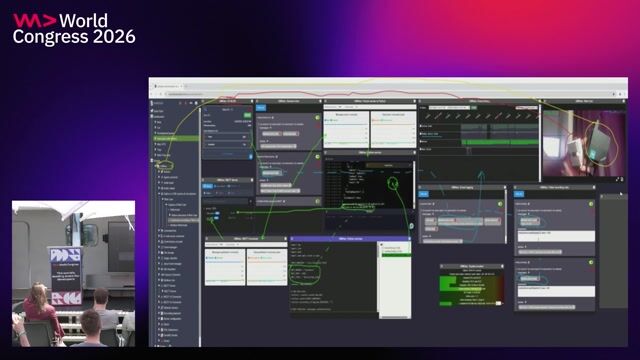
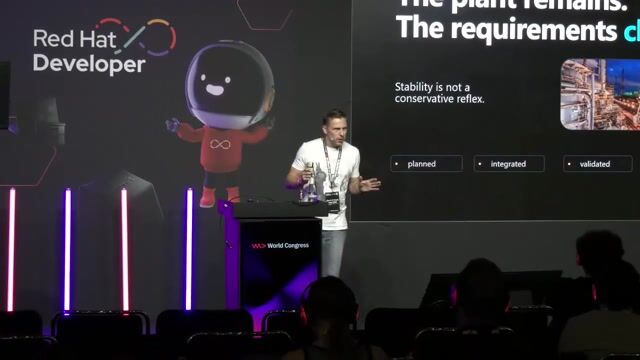
Triggering industrial hardware is easy, but engineering when not to act is the real challenge. Discover how an edge-first Node-RED architecture brings resilient, self-healing orchestration to legacy systems.
3:47 min
 Thomas Weinschenk · World Congress 2026 Europe
1:47 min
 Lukas Alber · Europe 2026 Virtual
1:44 min
 Thomas Tomow · World Congress 2025
1:31 min
 Irina Terekhova · World Congress 2026 Europe
2:40 min
Thomas Weinschenk · World Congress 2026 Europe
1:12 min
 Freya Menzel +1 · Europe 2026 Virtual
Abhirupa Mitra
Slack
Senior Member of Technical Staff

Pradumna Saraf
Kestra Technologies
Quality Assurance Engineer

Yash Sharma
DigitalOcean
Developer Advocate

Deepak Agrawal
Atlassian
Principal Software Engineer

Bharat Sharma
Booking
Senior Engineering Manager

Lakshmi Devi Prakash
JPMorgan Chase
VP, Applied AI/ML Lead
Jobs that call for the skills explored in this talk.




.gif)