
IK
Igor Khokhriakov
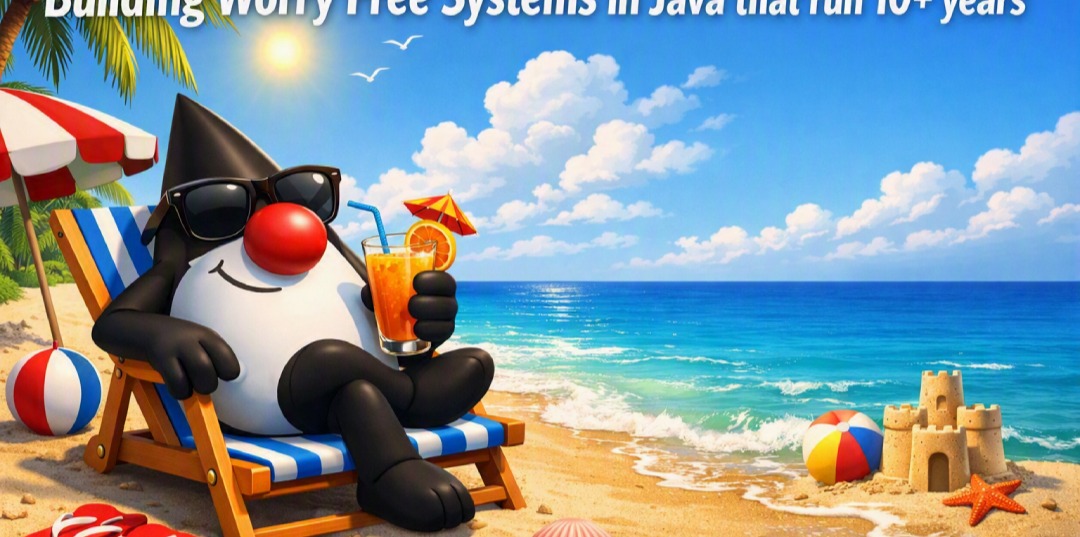
How We Built a Worry-Free System That Runs for 10+ Years – And What We’d Do Again
23 days ago
NVIDIA is seeking Research Scientists with a focus in System Software and System I/O Architecture to contribute to the development of future fast, scalable storage accesses by GPU threads. Scalable systems in a post-Moore world require co-optimization of architecture, runtime systems, operating systems, and compilers, to achieve high throughput while improving energy efficiency. We are seeking candidates with a proven track record of research excellence, systems-building experience, a broad perspective across the field of system software, depth in I/O system software, I/O systems architectures, deep knowledge in GPU architecture, proficiency in CUDA programming, programming large-scale clusters, and experience in profiling and system performance analysis tools. NVIDIA has pioneered programmable GPUs and the CUDA language, and is a world leader in high-performance and AI computing technology, with ambitious plans for future processors. This position offers you the opportunity to have a real impact in a multifaceted, technology-focused company., * Develop novel architectures and system software implementations to enable scalable multi-GPU platforms.
Your base salary will be determined based on your location, experience, and the pay of employees in similar positions. The base salary range is 192,000 USD - 304,750 USD for Level 4, and 224,000 USD - 356,500 USD for Level 5.
NVIDIA is a global leader in accelerated computing. It designs graphics processing units (GPUs) and chip units for mobile computing, automotive, gaming, and professional markets.
NVIDIA’s invention of the GPU in 1999 sparked the growth of the PC gaming market, redefined modern computer graphics, and revolutionized parallel computing. More recently, GPU deep learning ignited modern AI - the next era of computing - with the GPU acting as the brain of computers, robots, and self-driving cars that can perceive and understand the world.
Please see the Research Park Tenant Directory for more information. NVIDIA - Research Park
This job is hosted externally. Click below to view the full posting and apply.
Talks and stories from around this role — technically off-topic, practically not.
1:04 min
1:51 min
47 sec
 Gonzalo Ortiz Jaureguizar · World Congress 2026 Europe
1:54 min
 Ankit Patel · World Congress 2025
1:53 min
 Jens Knipper · Europe 2026 Virtual
2:04 min
.png)
.webp)
main.jpg)

.webp)