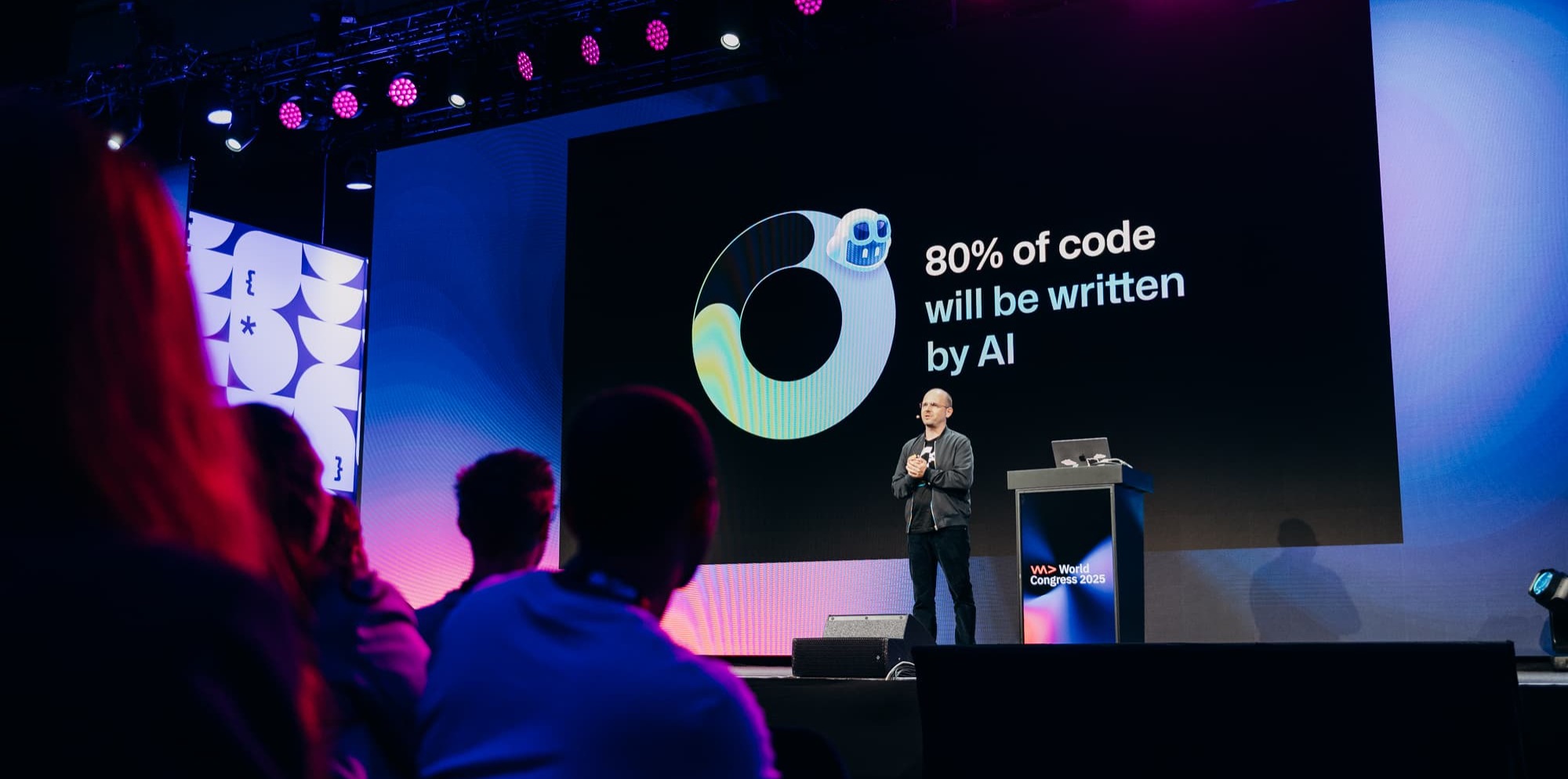
Agilent is building a Kubernetes-based software platform spanning instruments, applications, and shared services across multiple product lines. We are embedding AI into how we build and verify software. We are looking for a Lead Test Framework Architect to lead the adoption of AI in our software test lifecycle, and to build the test frameworks, evaluation methods, and governance that let us ship AI-accelerated software safely in regulated, GxP / 21 CFR Part 11 environments.
This is a hands-on senior individual-contributor role. AI accelerates software delivery, but that acceleration exposes weaknesses downstream without a strong automated-testing control system. Building that control system - and leading the organization to adopt it - is the core of this role.
Responsibilities:
- Lead AI SDLC adoption for quality engineering. Own the strategy for AI-assisted test authoring, execution, triage, and maintenance. Prove value through reference workflows, then scale adoption across product teams.
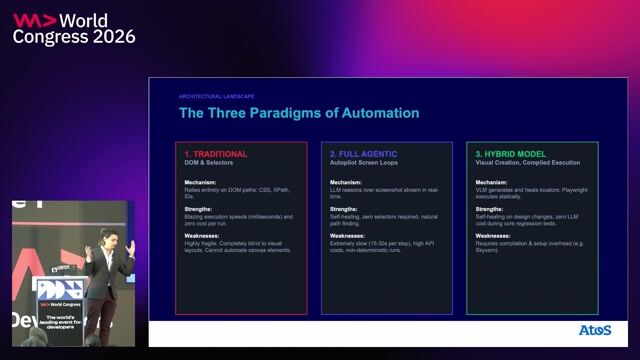
- Build AI-native test frameworks. Design workflows that generate unit, contract, integration, and E2E suites from specifications and intent. Verify that AI-generated tests exercise specified intent, not implementation. Integrate GitHub Copilot (enterprise standard) and complementary tools (e.g., Qodo, Diffblue, Playwright AI agents, self-healing frameworks) into CI/CD quality gates.
- Test our AI features. Build evaluation and regression frameworks for LLM- and agent-powered product capabilities: non-deterministic evaluation, hallucination and grounding scoring, drift detection, and AI observability using OpenTelemetry GenAI conventions.
- Own the regulatory bridge. Integrate AI-assisted testing into validated environments using risk-based Computer Software Assurance (CSA), GAMP 5 (2nd Edition) and the ISPE GAMP AI Guide, and - for diagnostics software - IEC 62304. Preserve audit trails, traceability, and data integrity for AI-generated artifacts.
- Establish human-in-the-loop governance. Define risk-scaled review checkpoints, acceptance criteria, and rollback triggers for AI-generated code and tests.
- Define platform-wide test architecture standards for a Kubernetes-based microservices platform: testability-by-design, test environment strategy (ephemeral namespaces, environment-as-code), CI/CD quality gate architecture, contract testing for microservices and APIs, test data strategy (synthetic data, isolation, AI/ML data requirements), and E2E frameworks that work reliably in containerized environments.
- Instrument and report on impact. DORA delivery metrics augmented with AI-specific measures (coverage delta, defect-escape rate, mean-time-to-triage, eval-suite pass rates). Lead the change effort - champions, enablement, playbooks - that drives durable adoption.



 Ondřej Gróf · World Congress 2026 Europe
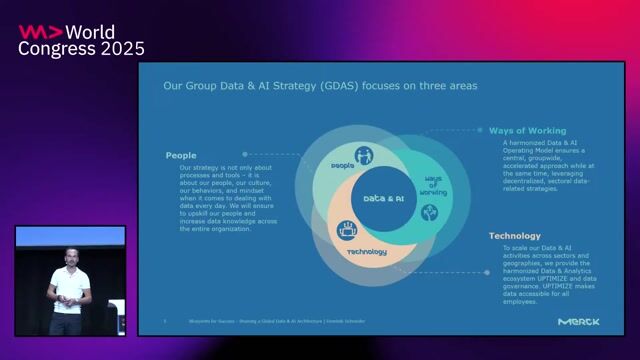
 Dominik Schneider · World Congress 2025
 Augustin Gottlieb · World Congress 2025



.gif)