


Medicaid Data Systems Analyst
- Discuss this with your agent
- Open in Claude
- Open in ChatGPT
Prepare application
- Draft this with your agent
- Open in Claude
- Open in ChatGPT
Role details
Tech stack
+5 more
Job description
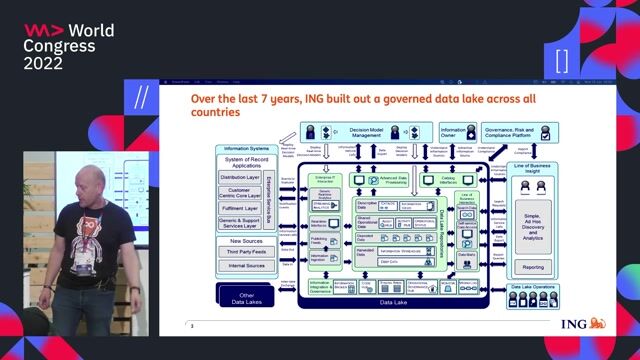
The Medicaid Data Systems Analyst is the functional anchor for the agency’s data modernization. This role ensures the technical infrastructure remains trustworthy by leading the implementation of an Enterprise Data Catalog and managing the transition of business logic from TFS/SSIS to the Azure/Databricks environment. They act as the “Metadata Architect,” ensuring that all raw MMIS schemas are translated into governed, auditable, and BI-ready assets., * Business Glossary Ownership: Lead the implementation of the Enterprise Data Catalog (e.g., Microsoft Purview or Unity Catalog)from a functional perspective. Define and maintain the business glossary for all Medicaid data.
- Data Lineage Mapping: Document and verify end-to-end data lineage-from the raw MMIS source table through the transformation layer in Databricks to the final PowerBI report.
- Discovery & Search: Organize the catalog so that policy analysts and actuaries can easily discover Medicaid datasets, understand their sensitivity (PHI/PII), and view their update frequency., * Data Reliability Engineering: Support the infrastructure’s health by monitoring Data Quality (DQ) dashboards. Alert the Senior Data Engineer if upstream MMIS schema changes cause data drift or pipeline failures.
- FinOps Collaboration: Partner with the Senior Data Engineer to analyze cloud consumption. Identify unused or redundant datasets that can be purged or archived to optimize Azure storage and compute costs.
- Infrastructure Validation: Verify that the “Infrastructure as Code” deployments (Managed by the Engineer) correctly apply the Row-Level Security (RLS) and masking rules defined by the Lead Architect.
C. Schema Transformation & Migration Support
- Legacy-to-Cloud Logic Audit: Translate legacy SSIS logic stored in TFS into clear business requirements for the Engineer to rebuild in Azure Data Factory and Databricks.
- Target Mapping: Take raw table schemas from the current MMIS and define the “Target” format for the Data Warehouse, ensuring it meets the specific needs of modern BI tools., 1. Leads the adoption or implementation of an advanced technology or platform. 2. Expert on the functionality or usage of a particular system, platform, or technology product. 3. Serves as a consultant to clients, guiding the efficient use or adoption of a particular IT product or platform. 4. Creates implementation, testing, and/or integration plans. 5. Demonstrates expertise in a particular IT platform or service, allowing for maximum IT investment.
Requirements
Bachelor’s degree in Information Technology or related field or equivalent experience Training or certification in a particular product or IT platform/service, as required
Apply for this position
This job is hosted externally. Click below to view the full posting and apply.
Prepare application
- Draft this with your agent
- Open in Claude
- Open in ChatGPT
Good distractions
Talks and stories from around this role — technically off-topic, practically not.
Moments
Explore playlistsVideos
See allRelated articles
See all
What Are The Top Skills Required For Azure Developers?
Top Big Data Technologies That You Need to Know
Making Data Warehouses Fast: A Developer’s Story
Data Engineer Salary UK