



Data Analyst: Epigenetics

DUNN LABORATORIES, INC.
Indianapolis, IN, United States
about 2 months ago

Role details

Contract type
Permanent contract
Employment type
Full-time (> 32 hours)
Experience level
Expert
Experience required
4 years minimum
Working hours
Regular working hours
Job source

Tech stack

Data Analysis Computer Clusters Code Review Databases Computer Literacy Data Validation R (Programming Language) Data Management

Job description

Are you looking to be part of something big? Radical innovations begin with small, impactful steps. Take your next step with the Dunn Lab, the distinguished team of Dr. Erin C. Dunn, as we prepare for our next giant leap: discovering the causes of mental illness and creating roadmaps for prevention. Learn more about the Dunn Lab and Purdue University in Indianapolis., * Responsible for data management and statistical analysis for new and ongoing studies, including but not limited to developing and applying regression-based analyses of epidemiologic and epigenetic data.

  • Guide other lab members in designing data analytic plans and computational pipelines.
  • Maintains standard operating procedures for data management on a high-powered computing cluster.
  • Collaborate on the preparation of grant applications, manuscripts, and presentations.
  • Present analyses and results to collaborators and in academic papers using tables and figures.
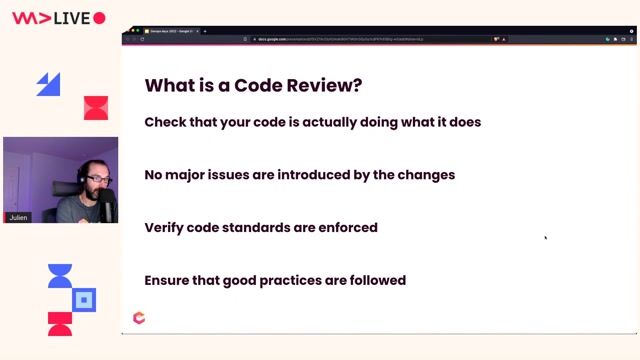
  • Leads R code reviews and data validation efforts
  • Mentors and troubleshoots other lab members in coding (in R programming language)

Requirements

The Senior Data Analyst will be responsible for projects focusing on computational genetic and epigenetic analyses working on a multi-disciplinary team under the direct supervision of principal investigator Dr. Dunn. The Senior Data Analyst will work with multiple types of data, especially longitudinal survey and biological data from large birth cohort studies. A successful candidate will have experience in working with post-doctoral fellows in a mentoring capacity to drive computational analyses.

The successful candidate will be able to contribute to innovative projects to identify risk and protective factors linked to depression. Our overarching goal is to identify possible sensitive periods in development, or life stages when the brain is highly plastic and experience, including stress exposure, can impart more enduring effects on risk for depression., * Bachelor’s Degree.

  • Four years of data analysis experience.
  • Strong knowledge of R (e.g., tidyverse, mice, ggplot) and omics data analysis pipelines.
  • Prior experience in academic research including cluster computing, longitudinal studies, biological/epidemiological modeling,

Preferred:

  • MA/MS.

Skills Needed:

  • Understanding of data management
  • Ability to clean data, including derived variable and metadata creation and management.
  • Experience working with longitudinal omics-related data.
  • Ability to create detailed data analysis plans and pipelines.
  • Proven ability to learn new computational and statistical techniques.
  • Excellent written and verbal communications skills.
  • Ability to handle multiple projects simultaneously.
  • Ability to work independently and as part of a team.
  • Ability to interpret acceptability of data.
  • High degree of computer literacy.
  • Careful attention to detail.
  • Good organizational skills.
  • Ability to identify problems and develop solutions.
  • Ability to create presentation-ready tables and figures.
  • Advanced knowledge of statistical and epidemiological study design.
  • Understanding of Redcap or other clinical database management systems

Apply for this position

This job is hosted externally. Click below to view the full posting and apply.

Apply on dice.com

Good distractions

Talks and stories from around this role — technically off-topic, practically not.

3:03 min

Building an AI operating system for clinical diagnostics

Alexandre Guenoun Alexandre Guenoun +3 · World Congress 2026 Europe

3:39 min

Addressing code review surrender and process exploitation

Laura Tacho Laura Tacho · World Congress 2026 Europe

3:04 min

Database evolution and the funding behind vector databases

Erik Bamberg · LIVE

1:48 min

Automating exploratory data analysis within training pipelines

Dora Petrella · World Congress 2023

3:28 min

Utilizing artificial intelligence to analyze neurodegenerative diseases

Jeremy Murray Jeremy Murray · World Congress 2026 Europe

56 sec

The hidden costs of delayed peer code reviews

Tim Gilboy Tim Gilboy

Videos

See all

Related articles

See all