
Distributed systems
34 moments from 26 videos · 1:37:18 total
This selection of developer talks addresses the core challenges of building resilient distributed systems, covering event sourcing, data consistency, and network partition strategies.

Leveraging distributed networks for enterprise applications and governance
Distributed systems provide the resilience, transparency, and collaborative governance required by large enterprises.
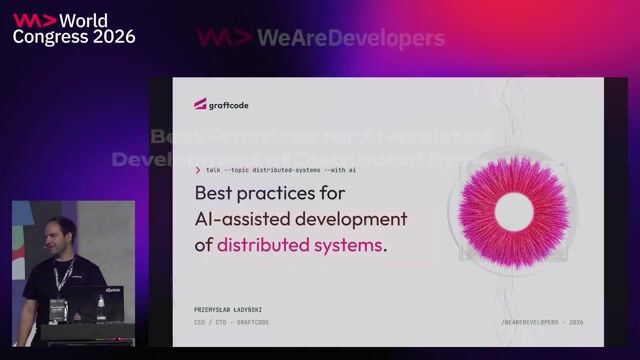
Overcoming challenges in AI-assisted distributed system development
Generating complex distributed systems requires providing AI with explicit architectural guidance rather than relying on basic prompts.

Reasons for adopting distributed systems in modern architectures
Scaling capabilities beyond a single machine enables load balancing, better reliability, and parallel workload execution.

Evaluating algorithmic trade-offs across distributed system implementations
Studying alternative storage models uncovers how varied database systems prioritize consensus, replication routing, and fault repairs differently.
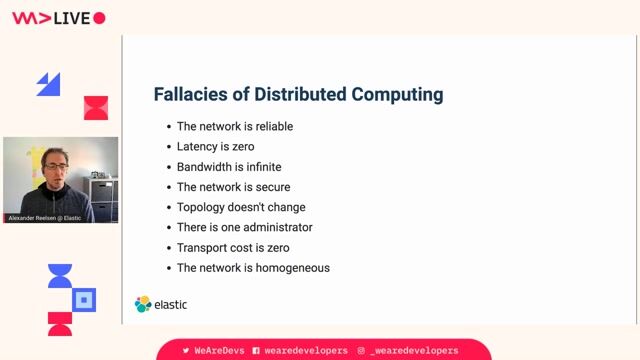
Addressing the fallacies of distributed computing networks
Assuming reliable networks with zero latency and infinite bandwidth leads to systemic failures during implementations.
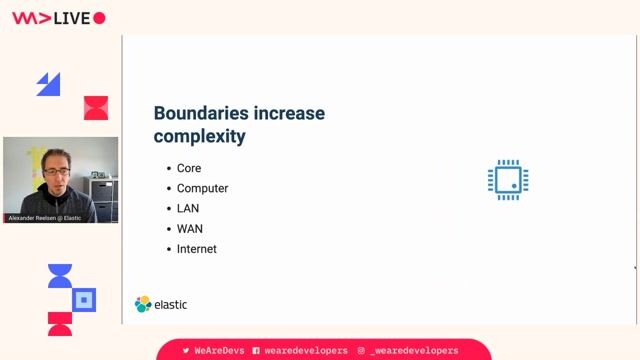
Complexity increases when widening system processing boundaries
Operating across networked machines requires coordination, state synchronization, and handling latency over typical single-node designs.
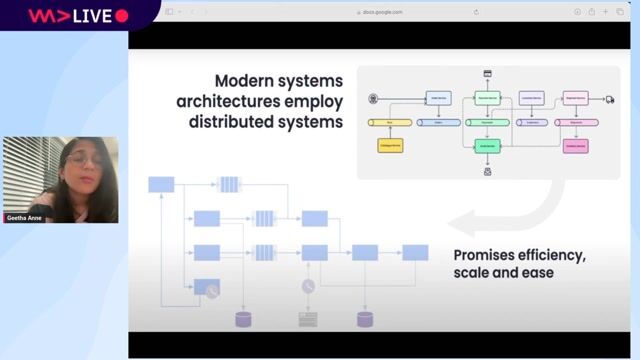
High-level overview of modern distributed system architectures
Complex ecosystems involving databases and microservices often suffer from cascading failures during state rollbacks.
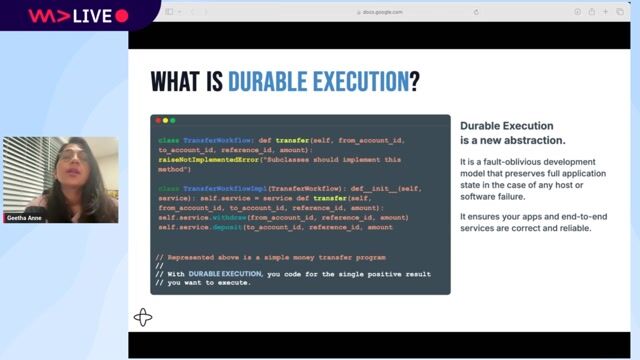
Solving distributed system failures via durable execution abstractions
Building applications for a single positive outcome drastically simplifies the entire operational error handling requirement.

Introduction and the CAP theorem for distributed systems
The CAP theorem dictates that distributed stateful systems can only guarantee two of three primary consistency attributes.

Integrating distributed systems and applied mathematics in network engineering
Why modern blockchain networks require diverse skillsets ranging from concurrent programming to network topology.

Viewing blockchain networks as distributed operating systems
How smart contracts function as applications executing synchronously across multiple validating computers.
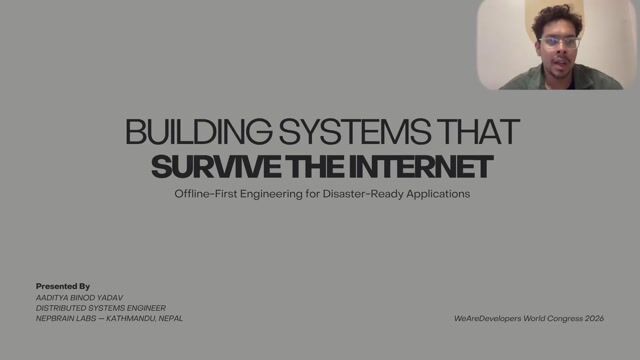
Discovering offline-first as a distributed systems problem
The 2015 Nepal earthquake revealed that reliable software in disaster zones requires rethinking fundamental network assumptions.
The distribution tax of horizontal scaling
The operational complexity, network shuffling, and latency costs associated with distributed systems.
Applying distributed computing principles to agentic artificial intelligence
Distributed systems fundamentals like the CAP theorem guide architectural trade-offs between consistency and availability in multi-agent deployments.

Breaking down monolithic structures using divide and conquer
Modernizing large systems into independent services helps preserve clean architecture boundaries but introduces significant distributed complexity.
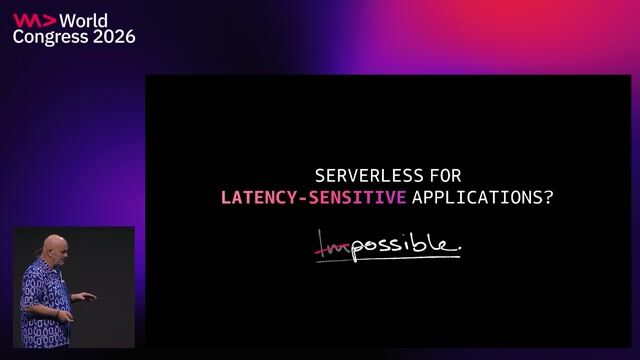
Bringing accurate time synchronization to global distributed systems
Solving the impossibility of accurate time in distributed systems by wiring microsecond hardware clocks directly into server instances.

Operating at unprecedented scale in the early days
How outgrowing commercial software limits forced early engineering teams to design custom distributed systems.

Integrating probabilistic AI into distributed systems
Adding artificial intelligence introduces probabilistic dependencies that challenge traditional deterministic architectures.
Challenges of building reliable order processing systems
The complexities of handling process crashes, API failures, and long-running operations in distributed applications.
Defeating network latency in distributed system deployments
Utilizing data locality minimizes the physical tax associated with wide area network node traversal.
Defining the core mechanics of distributed databases
How distributed databases map data subsets across multiple locations while hiding topology from edge applications.

Keeping systems straightforward to minimize performance bottlenecks at scale
How introducing a distributed architecture with a single data access point hurts scalability instead of improving it.

Core concepts and patterns of distributed messaging systems
Decoupling senders and receivers enables flexible communication patterns and reliable message delivery guarantees across global applications.
Mapping distributed compute paradigms to modern vehicles
Zonal vehicle networks map closely to branch retail environments, requiring secure backbone connectivity and dynamic centralized processing.

Debugging distributed systems with artificial intelligence tools
Large language models struggle with uncertainty and often provide premature conclusive decisions instead of exploratory debugging options.
Weighing architectural complexity against system scalability options
Balancing system flexibility and performance capabilities against the high cost of distributed complexity.

Joining Figma and building real-time distributed graphical systems
A background in game engines and graphics led to developing real-time distributed systems for collaborative design tools.
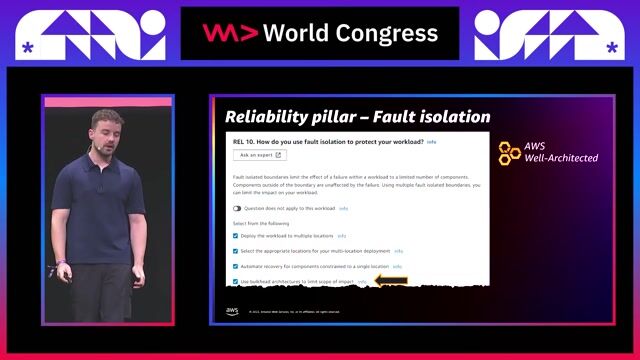
Isolating distributed system failures using cell-based architecture compartments
How isolating regional deployments into separate cloud accounts prevents localized system failures from causing global outages.
Identifying invisible reliability requirements in system design
Designing for happy paths without defining failure expectations sets teams up for inevitable production incidents.

Adopting mental models for resilient distributed system architecture
Anticipating partial failures and understanding the true cost of mitigation strategies creates robust engineering design cultures.
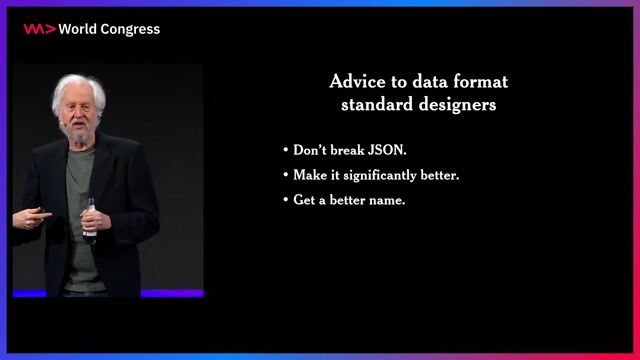
Designing the Misty actor-based distributed messaging system
The Misty project utilizes an actor-based architecture with a custom networking layer for securely executing distributed processes.
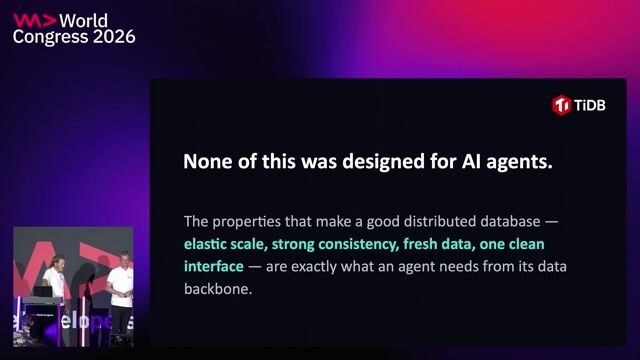
Distributed SQL properties for agentic AI applications
The fundamental features of distributed databases completely align with what agentic AI backbones need regarding consistency and elastic scale.

Evolution of software complexity and departmental specialization
How the growing complexity of distributed systems led to fragmented development and operations departments.
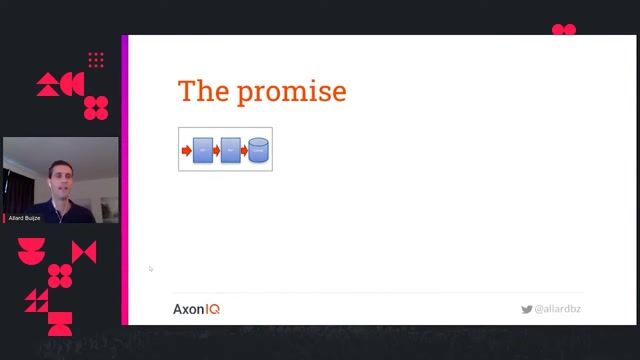
The false promises of event-driven microservices
Applying simplistic monolithic methodologies to modern message brokers often reproduces identical coupling issues inside distributed systems.
Your mix. Instantly.
More mixes
AI & Machine Learning
AI coding agents
AI & Machine Learning
MCP (Model Context Protocol)
AI & Machine Learning
RAG
Languages & Frameworks
TypeScript
Languages & Frameworks
React
Languages & Frameworks
Java
Cloud, Platform & Data
Platform engineering
Cloud, Platform & Data
Observability
Cloud, Platform & Data
Infrastructure as code
Architecture, Quality & Security
System architecture
Architecture, Quality & Security
Code review
Architecture, Quality & Security
Software supply chain security
Leadership, Career & Community
Engineering strategy
Leadership, Career & Community
Developer experience
Leadership, Career & Community