World Congress 2026 Europe Jul 10, 2026 Session details

The New AI Security Stack: Observe, Detect, Protect

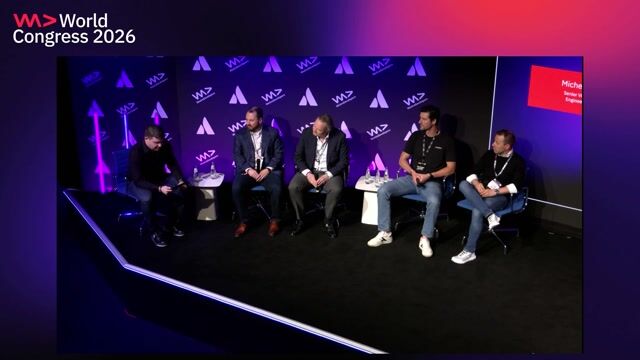
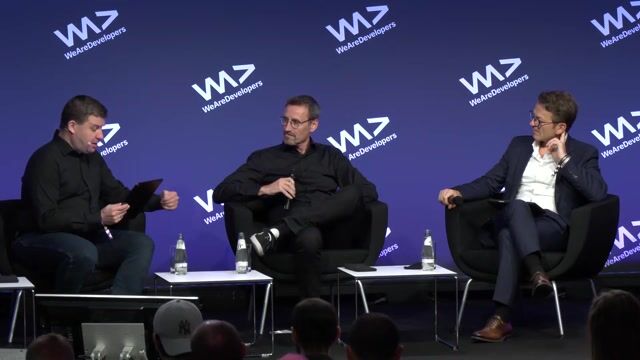
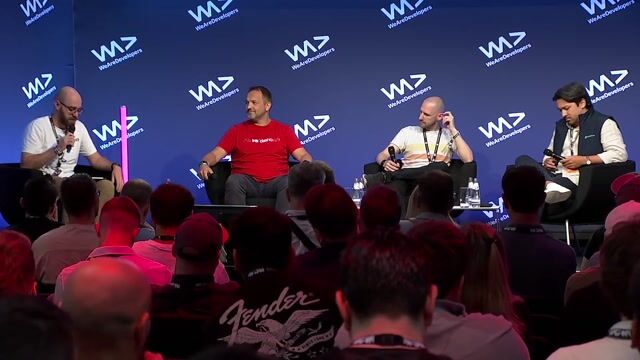
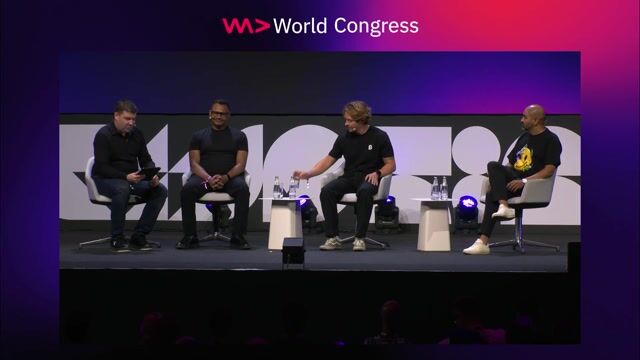
Milin Desai , Christian Trummer , Jyoti Bansal , Tomislav Tipurić

Traditional security paradigms cannot survive the massive influx of AI-generated vulnerabilities. Learn how to build aggressive DevSecOps guardrails that treat autonomous agents as inherently untrustworthy.

Pause
Mute Enter Fullscreen
#1 about 2 min

Exponential code growth and emerging security vulnerabilities in sprints

How generating eight times more code with AI agents demands a change in traditional security observability.

#2 about 2 min

Increasing security stack investments to mitigate novel AI vectors

The surge in new AI attack vectors requires proactive frameworks and robust investment in security tooling.

#3 about 2 min

Shifting security left to adapt to rapid code generation

Catching and fixing software issues before runtime production prevents engineers from drowning in vulnerability backlogs.

#4 about 4 min

Designing fine-grained permissions for agent interactions with financial services

Implementing least privilege guardrails prevents untrusted AI agents from executing unauthorized transactions across sensitive portfolios.

#5 about 3 min

Constructing safety architectures for agents integrating with knowledge graphs

A six-layer safety framework combined with contextual understanding safeguards production systems from rogue agent actions.

#6 about 4 min

Applying deterministic outcomes and best practices in self-healing loops

Utilizing frameworks like Warden alongside deterministic checks prevents automated bots from introducing new security flaws.

#7 about 5 min

Automating verification while adhering to the four-eye regulatory principle

Maintaining human accountability via the four-eye principle ensures compliance without hindering automated delivery speeds in critical systems.

#8 about 4 min

Implementing risk-based autonomy to regulate automated production code deployments

Adjusting the degree of manual intervention based on the inherent risk of system changes fortifies continuous deployment safety.

#9 about 3 min

Deploying AI firewalls to prevent prompt injections by non-technical staff

Utilizing advanced AI firewalls and dynamic execution blocking intercepts data leaks prompted by unaware business users.

#10 about 4 min

Automating incident resolution and prioritizing intervention by severity parameters

Grading anomaly severity enables agents to self-heal minor issues while ensuring human oversight for isolating essential infrastructure.

#11 about 3 min

Preparing engineering organizations for rapid vulnerability response and remediation

Embedding security processes across the entire organization allows teams to apply rapid fixes against sophisticated zero-day exploits.

Matching moments

4:15 min

Security integration and AI skepticism in developer tooling

Chris Heilmann +2 · LIVE

1:55 min

Current state of security in AI applications

Deepu Deepu · World Congress 2025

2:09 min

Securing AI agents against internal and external threat vectors

Julia Kordick Julia Kordick · World Congress 2026 Europe

3:37 min

Managing security risks in AI-accelerated development processes

Carey Liu Carey Liu · World Congress 2026 Europe

3:00 min

Top security vulnerabilities for AI applications

Deepu Deepu · World Congress 2025

2:01 min

The necessity of developer intelligence amidst automated attack generation

Julian Totzek-Hallhuber Julian Totzek-Hallhuber · World Congress 2024

Upcoming sessions on this topic

Open session

World Congress 2026 North America

September 24, 2026 · 17:30–18:00

Stage 5

Securing AI Agent Infrastructure: Identity, Attestation, and Trust at Scale

Abdel Fane

Founder of OpenA2A

Abdel Fane
Open session

World Congress 2026 North America

September 25, 2026 · 16:50–17:20

Stage 5

The Things Your AI Isn't Telling You

Desmond Lamptey

Lead Software Engineer @ Capital One

Desmond Lamptey
Open session

World Congress 2026 North America

September 24, 2026 · 16:10–16:40

Stage 3

Responsible AI Architecture with Zero Trust Agents

Ashok Prakash

Staff ML Engineer at Apple

Ashok Prakash
Open session

World Congress 2026 North America

September 23, 2026 · 15:45–17:45

Stage 10

Securing the Agentic Stack: Docker Hardened Images and Supply Chain Security

Ajeet Raina

Developer Advocate, Docker

Ajeet Raina
Open session

World Congress 2026 North America

September 25, 2026 · 15:45–15:55

Outdoor Stage

Closing the Visibility Gap: Lessons from Safety Critical Agentic Systems

Vivek Pandit

Frontier AI Lead at Turing

Vivek Pandit
Open session

World Congress 2026 North America

September 24, 2026 · 12:15–12:45

Stage 6

AI vs. AI: Defending the open source supply chain with agentic workflows

Manfred Moser

Senior Principal DevRel Engineer at Chainguard

Manfred Moser