








BB
Benedikt Bischof
WeAreDevelopers LIVE
•
Nov 20, 2024
Design patterns for neurodiversity and mental health
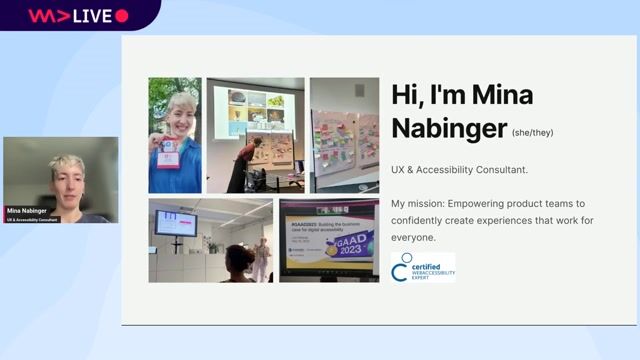
Mina Nabinger
- Discuss this with your agent
- Open in Claude
- Open in ChatGPT
Are conventional design choices inadvertently disabling your users? Stop building solely for neurotypical minds. Learn how compassionate UX patterns reduce cognitive load and prevent anxiety.
Matching moments
3:24 min
Designing applications for permanent physical and cognitive disabilities
Ramona Domen · LIVE
4:09 min
Implementing calm digital spaces for neurodivergent users
 Chris Heilmann +2 · LIVE
3:37 min
Collaborating on nuanced security and accessibility user experiences
 Ramona Schwering · Coffee With Developers
3:19 min
Applying Microsoft inclusive design principles and personas
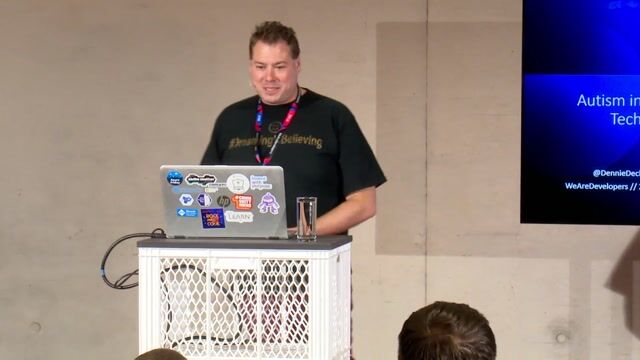
Dennie Declercq · LIVE
1:10 min
Validating accessible designs through real user testing
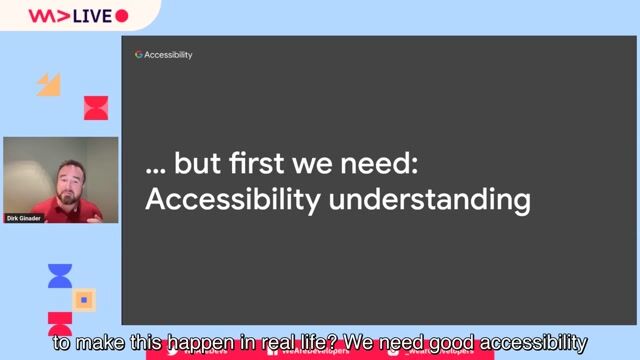
Dirk Ginader · LIVE
2:23 min
Implementing foundational tools to start a neuroinclusive culture
 Rudi Bauer +1 · Cappuccino with HR
More from WeAreDevelopers LIVE
Related videos
Related articles
.gif)
AW
Amanda Winstead

CH
Chris Heilmann

TW
Tammy Wood

From learning to earning
Jobs that call for the skills explored in this talk.
2 months ago
Senior Design Engineer

GitHub
San Francisco, CA, United States
Expert
$329k
HTML
Figma
Github
about 2 months ago
Senior Product UI Designer

Almedia
Berlin, Germany
Expert
€75k–90k
HTML
Data Analysis
Interaction Design
27 days ago
Senior UX/UI Designer

BWI GmbH
Meckenheim, Germany
Expert
€87k–128k
Figma
Adobe XD
Website Wireframe
about 1 month ago
•
Verified
Sr Product Experience Designer

Dynatrace
Detroit, United States
Expert
Remote
CSS
HTML
React
about 2 months ago
Senior AI Frontend Engineer

TeamViewer Germany GmbH,
Austin, TX, United States
Expert
ReactJS
TypeScript
Material UI
about 1 month ago
•
Verified
Principal Product Designer

Guild.ai
United States
Expert
$240k–290k
Remote
Figma
UX Prototyping