
DC
Daniel Cranney
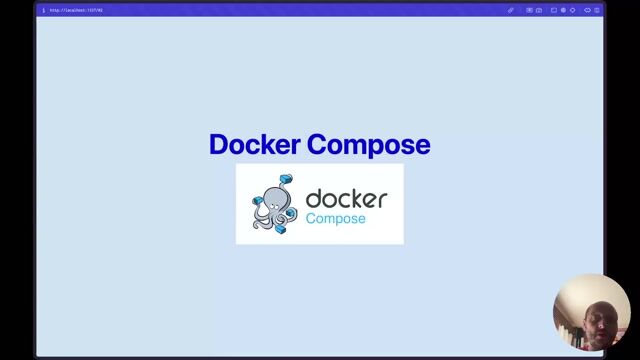
Compose the Future: Building Agentic Applications, Made Simple with Docker
- Discuss this with your agent
- Open in Claude
- Open in ChatGPT
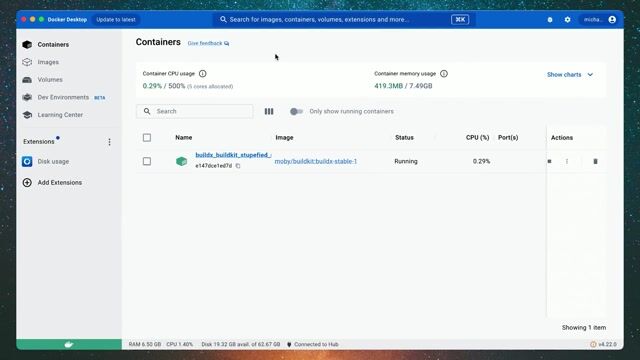
Building agentic AI applications is now as simple as running standard containers. See how Docker Compose integrates models as top-level primitives to streamline your multi-LLM architectures.
Matching moments
2:59 min
Adopting AI tools for developer container workflows
 Ali Alp · World Congress 2026 Europe
2:22 min
Orchestrating local developer environments with AI tools
 Angie Jones · World Congress 2025
2:31 min
Integrating generative AI into cloud-native applications
 Cedric Clyburn · World Congress 2024
1:14 min
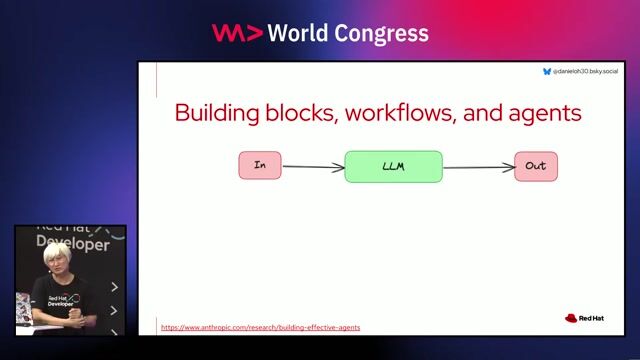
Leveraging agentic capabilities and containerized developer environments
 YK Sugi · World Congress 2025
2:37 min
Shifting to containerized AI deployment environments
 Sebastian Rhode · World Congress 2024
3:31 min
Practical learnings from deploying containerized AI solutions
Sebastian Rhode · World Congress 2024
More from World Congress 2025
Related videos
Related articles

DC
Daniel Cranney

DC
Daniel Cranney

EF
Elizabeth Fuentes Leone, AWS Developer Advocate, GenAI
From learning to earning
Jobs that call for the skills explored in this talk.
26 days ago
•
Verified
ML Engineer

Docker, Inc.
Seattle, United States
Expert
Remote
Go
20 days ago
Principal Solutions Architect, Professional Services
Docker, Inc.
A Coruña, Spain
€119k–170k
Okta
Docker
OpenID
12 days ago
Principal Solutions Architect, Professional Services
Docker, Inc.
Málaga, Spain
€119k–170k
Okta
Docker
OpenID
10 days ago
Principal Solutions Architect, Professional Services
Docker, Inc.
Madrid, Spain
€119k–170k
Okta
Docker
OpenID
26 days ago
•
Verified
Staff ML Engineer
Docker, Inc.
Seattle, United States
Expert
Remote
Go
20 days ago
Principal Solutions Architect, Professional Services
Docker, Inc.
Badajoz, Spain
€119k–170k
Okta
Docker
OpenID