
World Congress 2026 North America
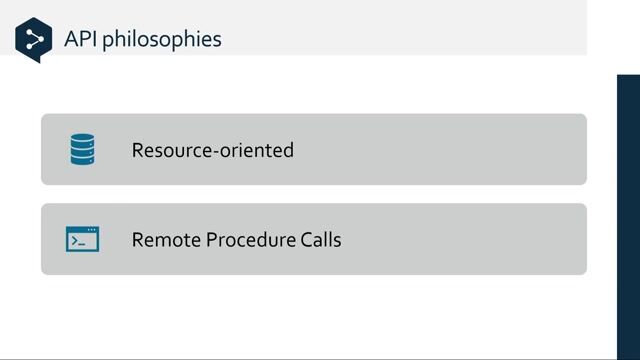
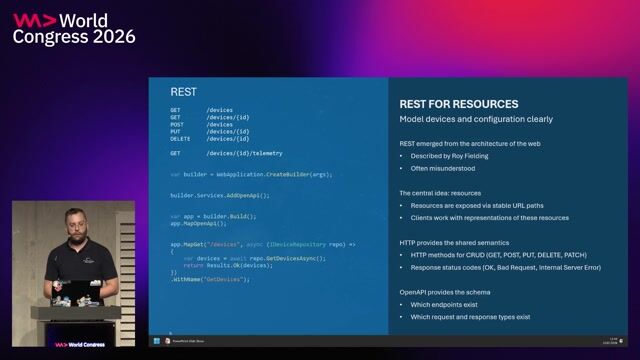
API = Some REST and HTTP, right? RIGHT?!
Rustam Mehmandarov
Passionate computer scientist

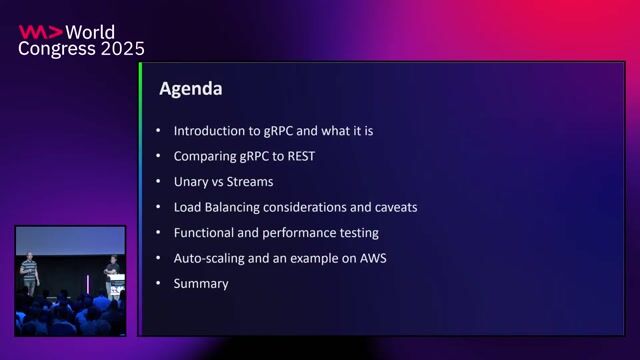
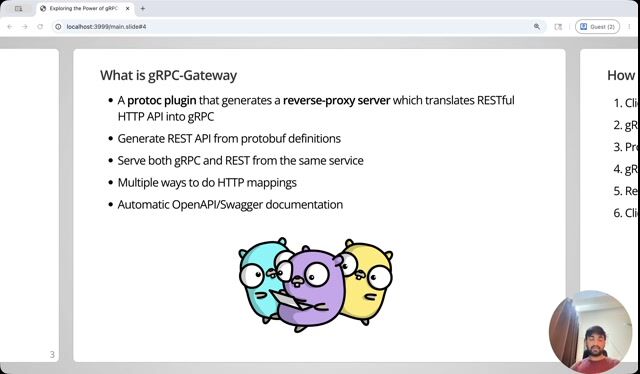
Maintaining parallel gRPC and REST APIs guarantees duplicated effort and code drift. Learn how gRPC-Gateway auto-generates a synchronized reverse proxy from a single Protocol Buffer definition.
2:31 min
 Sakshi Nasha · Europe 2026 Virtual
1:28 min
Sakshi Nasha · Europe 2026 Virtual
1:13 min
Sakshi Nasha · Europe 2026 Virtual
1:10 min
1:11 min
Sakshi Nasha · Europe 2026 Virtual
2:41 min
 Simon Auer · World Congress 2025
World Congress 2026 North America
Rustam Mehmandarov
Passionate computer scientist
World Congress 2026 North America
Bartosz Leczycki, Paweł Matynia


World Congress 2026 North America
Brian Whippo
Senior Director Integrations and Developer Tooling, Algorand Foundation

World Congress 2026 North America
Jessica Garson Beauchemin
Developer Relations Lead, Community at Runpod

World Congress 2026 North America
Ashish Shubham
Runs the show bussiness at ThoughtSpot

World Congress 2026 North America
Garvit Kataria, Sahil Sabharwal


Jobs that call for the skills explored in this talk.