




DC
Daniel Cranney
Coffee With Developers
•
Aug 17, 2026
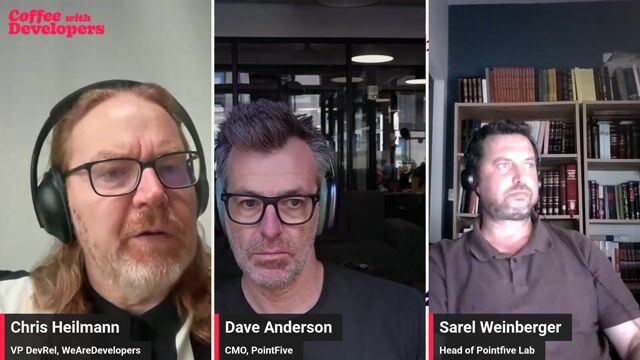
Why Token Reduction Isn’t Cost Reduction - Dave Anderson & Sarel Weinberger, PhD.
Dave Anderson , Sarel Weinberger , Phd
- Discuss this with your agent
- Open in Claude
- Open in ChatGPT
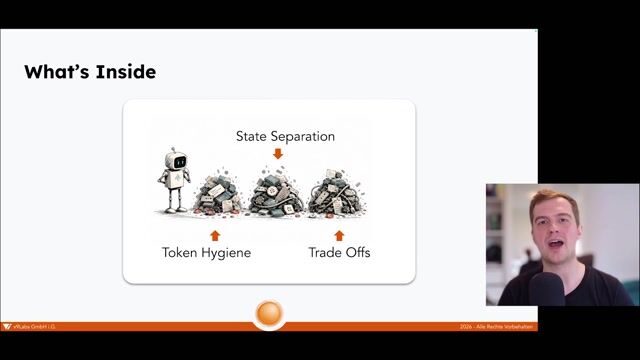
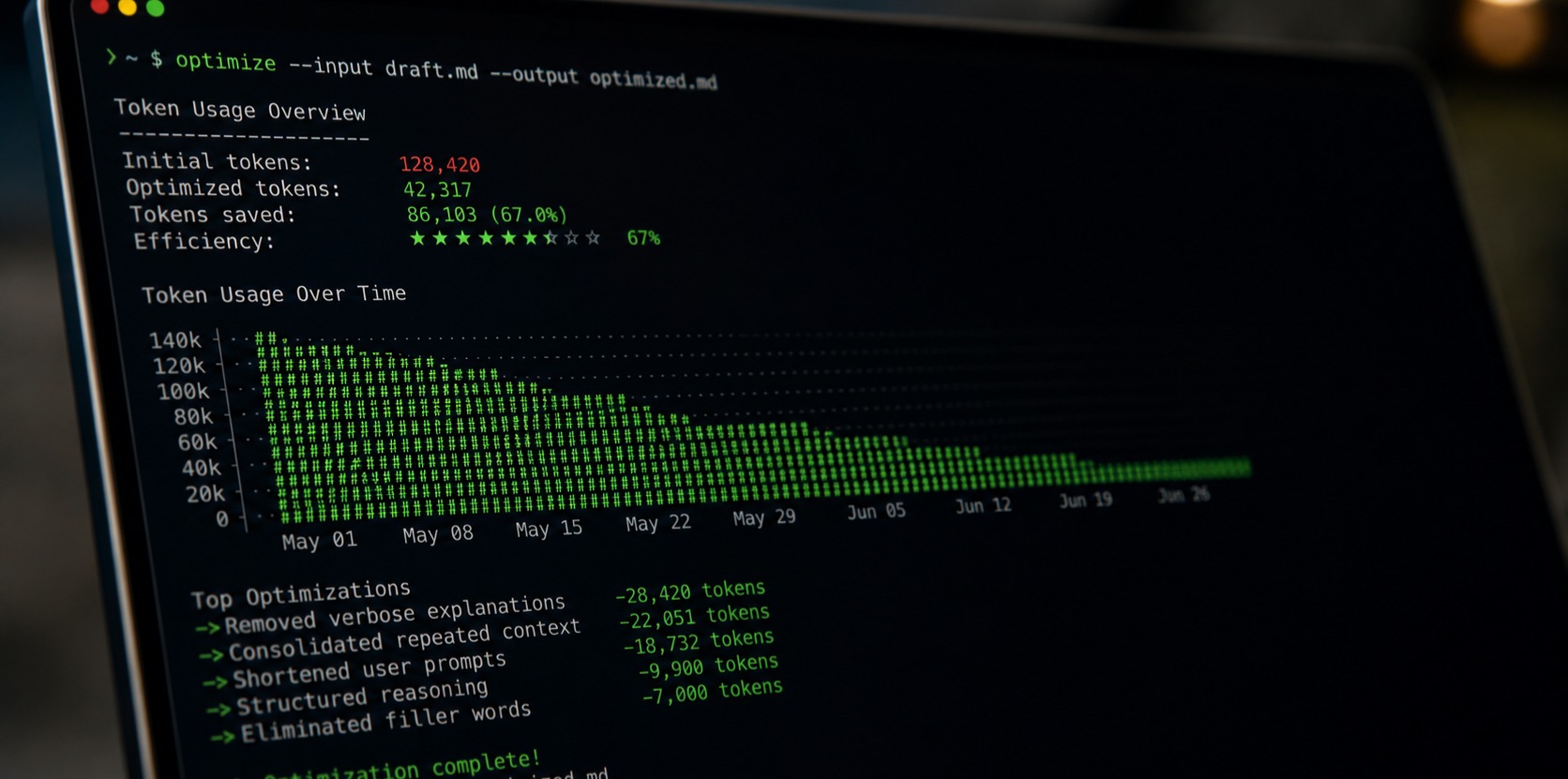
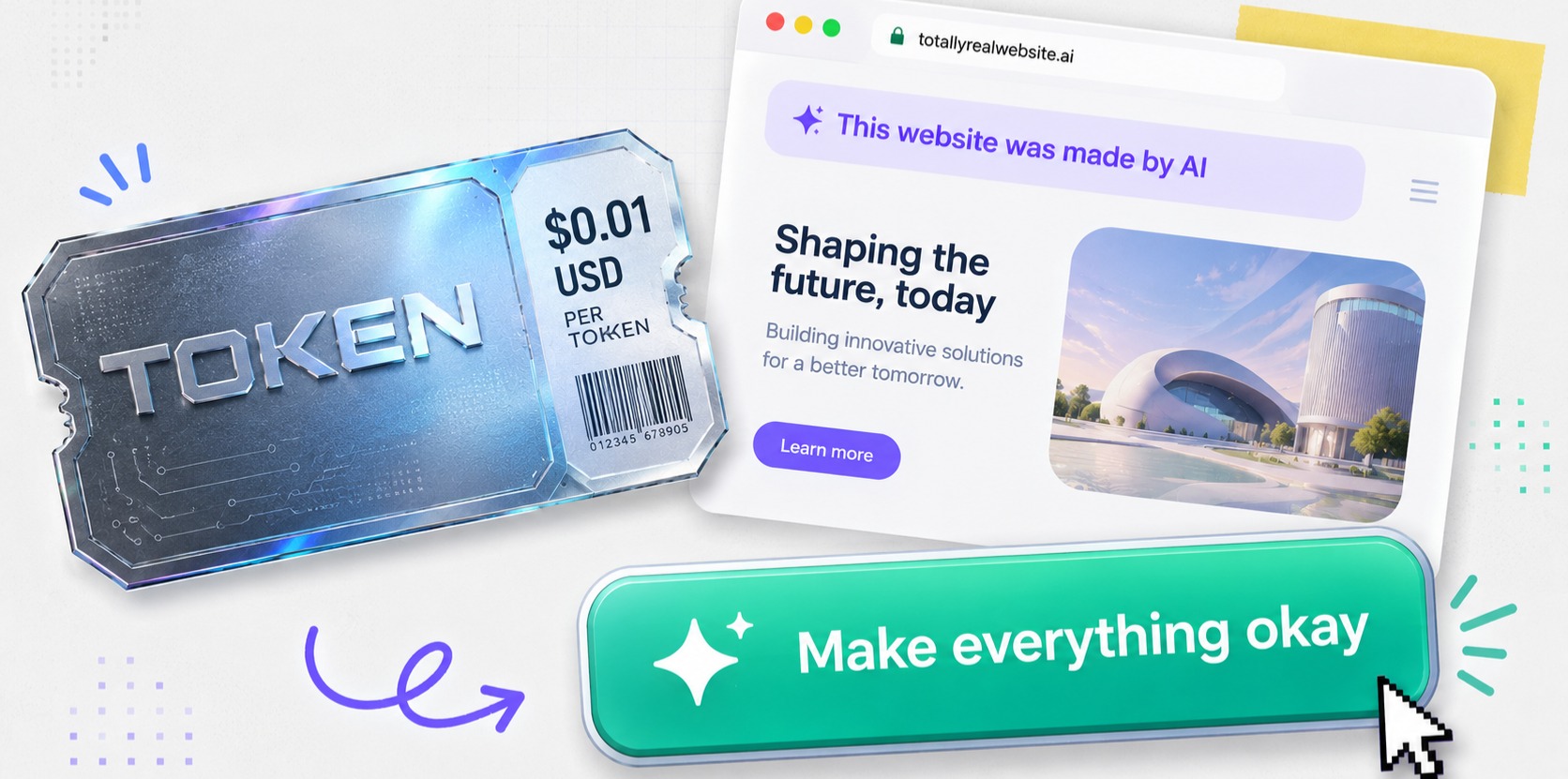
Compressing LLM inputs doesn't save money. It forces models to work harder, driving up compute costs by 50%. Learn smarter resource allocation techniques that actually lower your bills.
Matching moments
9:14 min
Assessing the token economy and costs of artificial intelligence
 Chris Heilmann +2 · LIVE
2:09 min
Shifting focus from token maxing to AI cost management
Dona Sarkar +1 · Coffee With Developers
2:01 min
Transitioning toward AI-first coding and managing token costs
 Clemens Wasner +4 · World Congress 2026 Europe
1:41 min
Calculating the hidden financial costs of AI coding assistants
Chris Heilmann +2 · LIVE
3:45 min
Optimizing token costs and intelligent chunking strategies
 Luca Bianchi · World Congress 2026 Europe
3:21 min
Optimizing AI token consumption and running local language models
Chris Heilmann +2 · LIVE
More from Coffee With Developers
Related videos
Related articles
ME
Markus Eisele

DC
Daniel Cranney
DC
Daniel Cranney
CH
Chris Heilmann

From learning to earning
Jobs that call for the skills explored in this talk.
23 days ago
Principal Software Engineer, AI Inference Runtime

ARM
Seattle, WA, United States
Expert
$262k
Compilers
Low Latency
Concurrency
23 days ago
Staff Software Engineer, AI Inference Runtime
ARM
Seattle, WA, United States
Expert
$209k–282k
Compilers
Low Latency
Concurrency
about 1 month ago
•
Verified
LLM Training Engineer

Sciforium
San Francisco, United States
Expert
$155k–220k
Python
23 days ago
Principal Software Engineer, AI Inference Cloud
ARM
Seattle, WA, United States
Expert
$262k
Pytorch
TensorRT
Kubernetes
24 days ago
Senior AI Developer

PwC
United States
Expert
Remote
Docker
Github
Fastapi
about 1 month ago
•
Verified
Partner Sales Director - AI Alliances - Model Providers

Dynatrace
San Francisco, United States
Expert
Remote
DevOps
AI Frameworks
Machine Learning