
Top Must-Visit Developer Conferences in the US in 2026
- Discuss this with your agent
- Open in Claude
- Open in ChatGPT
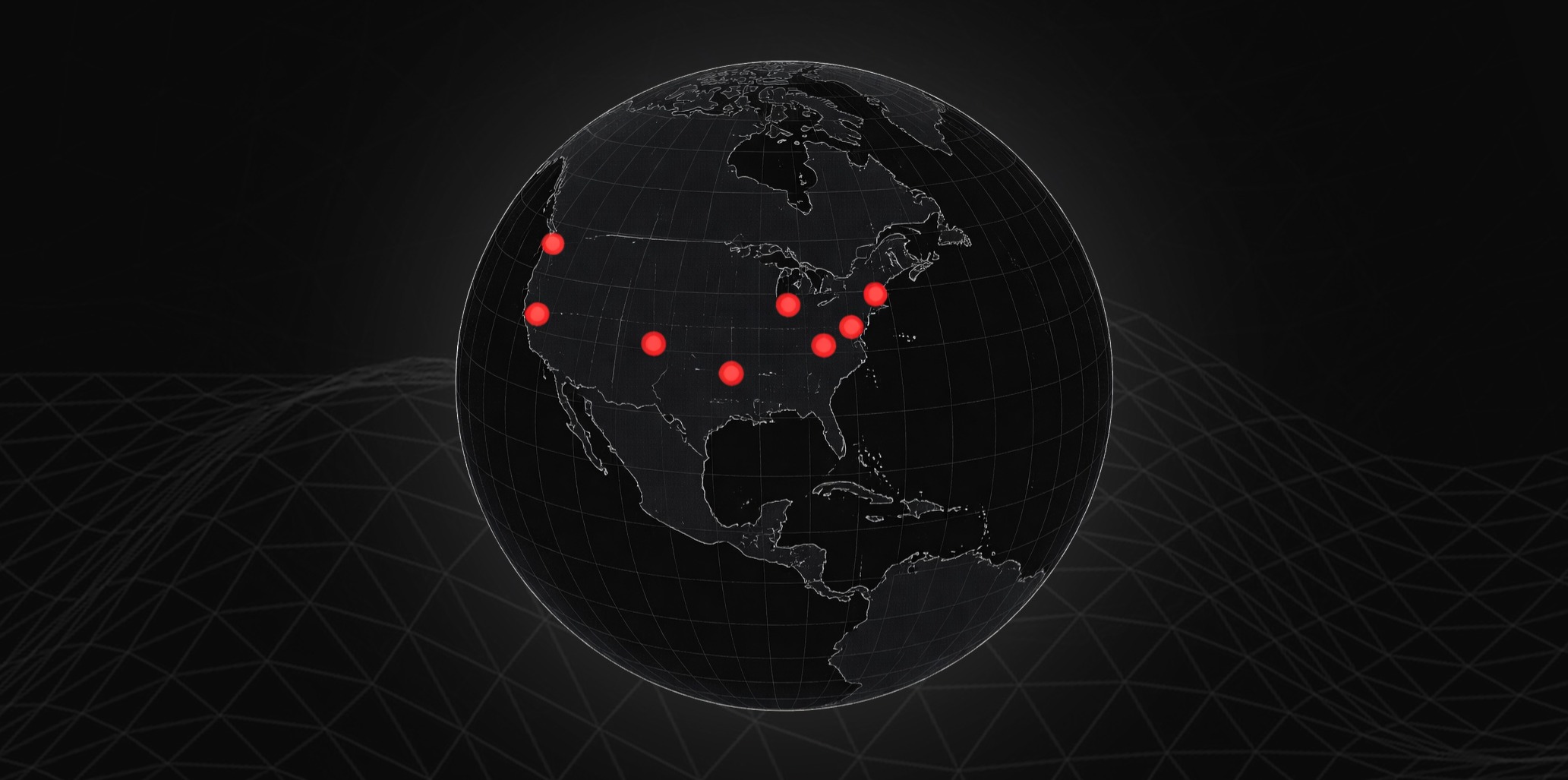
For US software developers, 2026 is shaping up to be one of the strongest years yet for in-person learning, networking, and career growth. As AI moves into production, cloud architectures mature, and engineering teams face increasing complexity, developer conferences are no longer just “nice to have.” They are one of the fastest ways to stay current, learn from peers, and see how real teams solve real problems at scale.
The challenge isn’t whether to attend a conference, it’s which one. The US hosts dozens of tech events every year, but only a handful truly stand out as must-visit developer conferences.
Below is a curated list of the best developer conferences 2026 in the US, based on scale, credibility, content quality, and relevance for working engineers.
1. WeAreDevelopers World Congress North America (San José, CA)
Best overall developer conference in the US
Dates: 23 – 25 September 2026
Location: San José McEnery Convention Center • San José, CA
WeAreDevelopers World Congress North America builds on a 10+ year track record in Europe, where it has established itself as the world’s flagship event for the developer community. After a decade of defining the tech scene in Berlin, the congress is making its eagerly expected debut in the United States, bringing its unique energy to the heart of Silicon Valley.
What it’s about
As a cornerstone of broad software engineering and community conferences, World Congress North America covers the full spectrum of the modern dev lifecycle. Instead of focusing on a single vendor or proprietary stack, it brings together engineers, architects, and tech leaders working across AI, cloud, backend, frontend, DevOps, security, and architecture.
The emphasis is on real-world engineering: how teams design systems, ship software, operate AI in production, and scale reliably in a vendor-neutral environment.
Who should attend
- Software engineers at any stage of their career
- Tech leaders and architects
- Engineering managers and senior ICs
- Developers seeking community and breadth without sacrificing technical depth
If you’re based in the US and want exposure across multiple disciplines — rather than a single platform — this is the strongest community-driven option on American soil in 2026.
Why WeAreDevelopers World Congress stands out
- A Decade of Excellence: Built on 10+ years of success in Europe, now arriving in the United States with an already proven format and production quality.
- The Power of Community: It is a space designed for developers to grow personally and professionally—moving forward through practice and peer-to-peer networking rather than just theory.
- Massive Scale: Brings together 10,000+ developers and 500+ speakers across every major discipline in software development.
- Vendor-Neutral Insights: Offers practical, transferable knowledge instead of platform-specific marketing.
- Career Catalyst: Creates meaningful recruiting and hiring opportunities by connecting developers and engineering leaders directly.
- Proven Heritage: The stage has hosted major industry milestones, including the first public demo of GitHub Copilot and the launch of OverflowAI.
Featured Speakers for 2026
The 2026 lineup features an elite group of industry pioneers, including Thomas Dohmke (CEO & Co-founder of Entire, fmr. CEO of GitHub), Scott Hanselman (VP, Microsoft/GitHub), Christine Yen (CEO & Co-founder of Honeycomb), Mathias Biilmann (CEO & Co-founder of Netlify), Olivier Pomel (CEO & Co-founder of Datadog), Lin Qiao (CEO & Co-founder of Fireworks AI), Richard Socher (CEO & Co-founder of You.com), Milin Desai (CEO of Sentry), Erran Berger (VP of Product Engineering at LinkedIn), and Daniela Dimitrova (VP IT & CIO of Mercedes-Benz North America).
The bottom line:
If you attend only one large-scale developer conference in the US in 2026, this is the event that offers the widest coverage of real-world engineering challenges with the strongest overall ROI.
2. AWS re:Invent (Las Vegas, NV)
Best for AWS-focused and cloud-native teams
AWS re:Invent is one of the largest tech conferences in the world and remains a cornerstone event for cloud-native development.
What it’s about
re:Invent is deeply focused on the AWS ecosystem, covering infrastructure, serverless, data, security, and AI services offered by Amazon.
Who should attend
- Developers working primarily with AWS
-
- Cloud engineers and platform teams
- Organizations heavily invested in the AWS stack
Why it’s worth attending
- Massive scale and production value
- Deep technical sessions and workshops
- Early access to AWS announcements and roadmap updates
That said, re:Invent is AWS-centric by design. Developers looking for broader perspectives beyond one cloud provider may find it less general-purpose than other events.
3. Google I/O (Mountain View, CA)
Best for Google platforms, web, and Android developers
Google I/O is one of the most high-profile tech conferences in the US, known for its strong media presence and AI-heavy announcements.
What it’s about
The conference focuses on Google’s platforms, including Android, web technologies, and Google’s AI and developer tooling.
Who should attend
- Android developers
- Web developers working closely with Google technologies
- Engineers interested in Google’s AI ecosystem
Why it’s worth attending
- High-impact product announcements
- Insight into Google’s technical direction
- Strong focus on AI, tooling, and developer experience
Google I/O is more keynote-driven than hands-on and tends to prioritise platform updates over deep architectural case studies.
4. Microsoft Build (Seattle, WA)
Best for Microsoft, Azure, and enterprise developers
Microsoft Build is the flagship developer event for the Microsoft ecosystem and plays a major role in enterprise software development.
What it’s about
Build centers around Azure, .NET, Microsoft’s developer tools, and AI integrations such as Copilot.
Who should attend
- Enterprise developers
- .NET and C# engineers
- Teams working with Azure and Microsoft platforms
Why it’s worth attending
- Strong enterprise and cloud content
- Clear insight into Microsoft’s AI strategy
- Well-structured technical sessions
Like other vendor conferences, Build is Microsoft-first, which makes it highly valuable for some teams but narrower in scope than more vendor-neutral events.
5. Apple Worldwide Developers Conference (WWDC)
Best for Apple ecosystem developers
Apple WWDC is Apple’s flagship developer event, focused on the future of iOS, macOS, watchOS, visionOS, and Apple’s developer platforms.
What it’s about
WWDC centers on Apple’s software platforms, frameworks, and tooling. It’s where Apple introduces new OS versions, APIs, and developer capabilities, with a strong emphasis on performance, privacy, and user experience.
Who should attend
- iOS and macOS developers
- Developers building apps for the Apple ecosystem
- Engineers working with Swift, SwiftUI, and Apple frameworks
Why it’s worth attending
- First access to Apple platform updates and APIs
- Deep technical sessions led by Apple engineers
- Strong guidance on best practices for building high-quality Apple apps
WWDC is highly platform-specific — ideal for developers focused on Apple technologies, but less relevant for those seeking broader, cross-platform, or backend-focused engineering content.
6. QCon (Multiple US Cities)
Best for senior engineers and architects
QCon events are known for their strong editorial standards and focus on software architecture and engineering leadership.
What it’s about
Case studies, architecture decisions, and lessons learned from teams operating complex systems.
Who should attend
- Senior engineers
- Architects
- Engineering leaders
Why it’s worth attending
- High-quality, curated talks
- Strong emphasis on real production systems
- Thoughtful, non-marketing content
QCon events are smaller in scale and typically more expensive per day, with less emphasis on large-scale networking.
How to Choose the Right Developer Conference in 2026
Choosing the right conference depends on what you want to optimise for:
- Breadth and overall value: WeAreDevelopers World Congress North America
- Cloud-specific depth: AWS re:Invent or Microsoft Build
- Platform expertise: Google I/O, WWDC
- Architecture leadership: QCon
For most US developers, the best choice is the event that balances technical depth, topic diversity, and community scale — without locking you into a single vendor ecosystem.
Last update: 29.05.2026