
Architecting Trusted AI: Coupling Multi-Agent Systems with dbt Semantic Store for Zero-Hallucination
-

Pushkar Mishra
J.P. Morgan
Senior Vice President
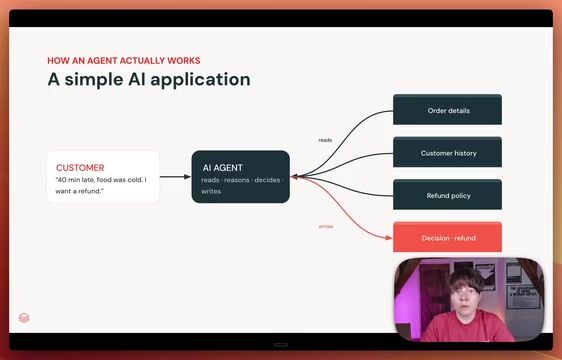
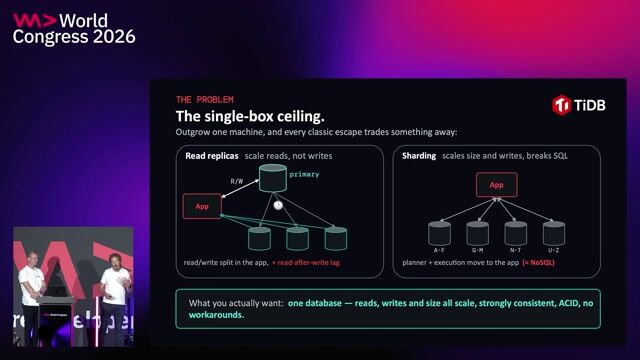
Why do AI agents often make poor decisions despite perfect logic? Discover how embedding an OLTP database directly into your lakehouse eliminates stale data and fragile synchronization pipelines.
1:16 min
 Max Fischer +1 · World Congress 2026 Europe
3:58 min
 Kateřina Ščavnická · World Congress 2025
1:21 min
 Matthias Niehoff · World Congress 2026 Europe
4:32 min
Matthias Niehoff · World Congress 2024
5:00 min
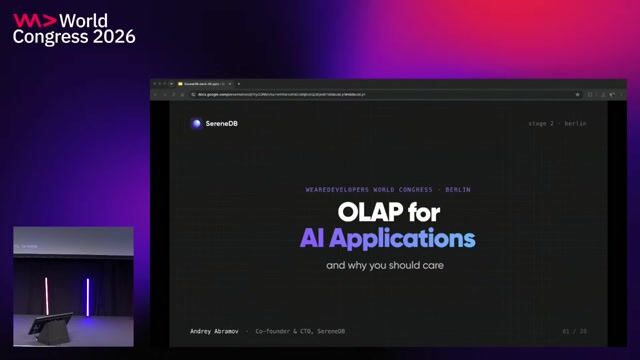
 Andrey Abramov · World Congress 2026 Europe
4:30 min
 Mary Grygleski · LIVE
Pushkar Mishra
J.P. Morgan
Senior Vice President

Purnima Kumari
DigitalOCean
Sr. Solutions Architect II

Yash Sharma
DigitalOcean
Developer Advocate

Sreeram Venkitesh
DigitalOcean
Senior Software Engineer

Sajeetharan Sinnathurai
Microsoft
Principal Product Manager

Franz Kiraly
sktime
Director

Vasundhara Shukla
Neo4j
Developer Advocate

Zaid Zaim
Neo4j
Developer Advocate | Microsoft AI MVP
Jobs that call for the skills explored in this talk.





.gif)
.gif)

.gif)