Agentic AI Architect

Ampcus Inc
San Francisco, CA, United States
1 day ago
Apply on diversityjobs.com
Prepare application

Role details

Contract type
Permanent contract
Employment type
Full-time (> 32 hours)
Experience level
Expert
Experience required
5 years minimum
Compensation
$197,600.0 - $208,000.0
Working hours
Regular working hours

Tech stack

Java (Programming Language) Application Programming Interfaces (APIs) Agile Methodology Artificial Intelligence Amazon Web Services Applications Architecture Microsoft Azure Bioinformatics C Sharp (Programming Language) Clinical Data Management Software as a Service Cloud Computing
+55 more
Cloud Engineering Code Generation Code Review Databases Continuous Integration Cursor (Graphical User Interface Elements) DevOps EHealth Electronic Data Capture Github Graph Database Python (Programming Language) Knowledge Management PostgreSQL Neo4j Routing Node.Js Pair Programming Performance Tuning Systems Development Life Cycle Redis Release Management Reliability Engineering Software Safety Software Engineering Verification and Validation (Software) TypeScript Workflow Management Systems AI Infrastructure Google Cloud Enterprise Software Applications GitHub Copilot ReactJS Large Language Models Snowflake Multi-Agent Systems Prompt Engineering Model Validation Generative AI AI Platforms Kubernetes Information Technology Graphql Data Management Machine Learning Operations Virtual Agents Restful APIs Terraform Code Restructuring Network Server Devsecops GXP Docker Databricks Microservices

Job description

The Agentic AI PDLC Engineering Transformation Architect will lead the transformation of CRG’s software engineering organization from traditional Agile development into an AI-augmented, agentic engineering operating model. This leader will define the architecture, engineering practices, governance, platforms, and adoption strategy required to embed AI agents throughout the Product Development Life Cycle (PDLC), enabling engineers, product managers, QA, DevOps, security, validation, and operations teams to work alongside autonomous AI agents. The role combines enterprise architecture, AI engineering, software modernization, platform engineering, DevSecOps, organizational transformation, and clinical software delivery. This individual will build the blueprint that enables CRG engineering teams to deliver software faster, with higher quality, while maintaining regulatory compliance (GxP, FDA 21 CFR Part 11, HIPAA, GDPR, EU CRA). Primary Responsibilities AI Engineering Transformation Strategy

  • Develop the enterprise roadmap for AI-driven software engineering.
  • Design the future-state AI-native SDLC operating model.
  • Lead enterprise-wide engineering transformation initiatives.
  • Create the business case for AI adoption including productivity improvements and ROI.
  • Develop maturity models for AI-enabled software engineering.
  • Create transformation metrics and executive dashboards.

Agentic PDLC Architecture

  • Design an enterprise Agentic AI engineering architecture supporting various agents including Product Management, Business Analyst, Requirements Engineering, Architecture, UX Design, Software Engineering, Test Engineering, Security, Compliance, DevOps, Documentation, Release Management, and Site Reliability Agents.
  • Define orchestration patterns between autonomous agents.
  • Design Human AI collaboration workflows.
  • Develop governance for multi-agent systems.

AI Engineering Platform

  • Define the architecture for an enterprise AI Engineering Harness including LLM Gateway, Prompt Management, Context Management, RAG Platform, Knowledge Graph, Vector Database, MCP Servers, AI Memory, Workflow Orchestration, Agent Registry, Tool Registry, Policy Engine, Observability, Evaluation Framework, Model Gateway, Security Framework, Model Routing, and Enterprise Knowledge Integration.

Software Engineering Transformation

  • Modernize software delivery practices using AI.
  • Introduce Spec-Driven Development, AI Pair Programming, Autonomous Code Generation, AI Code Reviews, AI Refactoring, AI Documentation, Automated Architecture Reviews, Engineering Knowledge Management, Agentic DevSecOps, Autonomous Test Generation, AI Performance Optimization, and AI Release Management.

Enterprise Architecture

  • Define enterprise reference architectures for AI Engineering Platform, Agentic Application Architecture, Developer Experience, Platform Engineering, Cloud Architecture, Microservices, API Strategy, Data Platforms, Event Architecture, Knowledge Architecture, and AI Infrastructure.

Regulatory and Compliance

  • Ensure AI-enabled engineering complies with FDA, GAMP5, HIPAA, GDPR, EU Cyber Resilience Act, ISO 27001, SOC2, Clinical Software Validation, 21 CFR Part 11.
  • Develop AI governance and validation processes.
  • Define Responsible AI standards.
  • Develop audit-ready AI engineering practices.

Engineering Excellence

  • Establish engineering standards for Coding, Architecture, Testing, Security, Documentation, Prompt Engineering, Agent Design, LLM Evaluation, Agent Evaluation, AI Safety, Knowledge Management, Reusable Components, Developer Experience.

AI Platform Selection

  • Evaluate enterprise AI platforms including OpenAI, Azure AI, Anthropic, Google Gemini, AWS Bedrock, NVIDIA AI Enterprise, Ollama, LangGraph, CrewAI, AutoGen, Semantic Kernel, LangChain, PydanticAI, MCP, GitHub Copilot, Cursor, Windsurf, Claude Code, Amazon Q, Azure DevBox.

Organization Change Management

  • Lead enterprise AI adoption.
  • Coach engineering leaders.
  • Develop AI enablement programs.
  • Create AI engineering playbooks.
  • Develop training and certification.
  • Establish Communities of Practice.
  • Create engineering KPIs.
  • Measure AI adoption.

Requirements

  • Bachelor’s degree in Computer Science, Engineering, or related discipline. Master’s degree preferred.
  • 12 years of enterprise software engineering experience.
  • 8 years leading enterprise architecture initiatives.
  • 5 years leading cloud-native engineering transformations.
  • Experience leading large Agile organizations (200 engineers preferred).
  • Experience with enterprise software modernization.
  • Experience implementing DevSecOps at scale.
  • Experience delivering regulated healthcare or life sciences software.
  • Strong understanding of AI engineering platforms.
  • Experience implementing Generative AI solutions in enterprise environments.

Preferred Experience

  • Clinical Research, Clinical Trials, Electronic Data Capture, Clinical Data Management, Pharmacovigilance, Medical Devices, Laboratory Systems, Digital Health, Bioinformatics, Healthcare SaaS, Life Sciences, GxP Systems.
  • Thermo Fisher CRG ecosystem experience is highly desirable.

Technical Expertise

  • AI, Generative AI, Large Language Models, Agentic AI, Autonomous Agents, RAG, Knowledge Graphs, Prompt Engineering, Fine Tuning, LLMOps, Model Evaluation, AI Safety, MCP, Context Engineering.

Engineering

  • Python, Java, C#, TypeScript, React, Node.js, REST APIs, GraphQL, Microservices, Kubernetes, Docker, GitHub, Azure DevOps, Terraform, CI/CD.

Cloud

  • Azure, AWS, Google Cloud, Databricks, Snowflake, PostgreSQL, Redis, Vector Databases, Neo4j.

AI Frameworks

  • LangGraph, CrewAI, AutoGen, Semantic Kernel, PydanticAI, LangChain, LlamaIndex, OpenAI SDK, Anthropic SDK, Ollama, Azure AI Foundry, GitHub Copilot Enterprise, Cursor.

Leadership Competencies

  • Strategic thinking, Executive communication, Enterprise architecture, Engineering leadership, Innovation, Cross-functional collaboration, Influencing without authority, Technology evangelism, Organizational transformation, Change leadership, Coaching, Executive presentations, Vendor management, Financial acumen.

Benefits & conditions

95.00-100.00

Apply for this position

This job is hosted externally. Click below to view the full posting and apply.

Apply on diversityjobs.com
Prepare application

Good distractions

Talks and stories from around this role — technically off-topic, practically not.

3:55 min

Demonstrating semantic routing thresholds with the Redis vector library

2:24 min

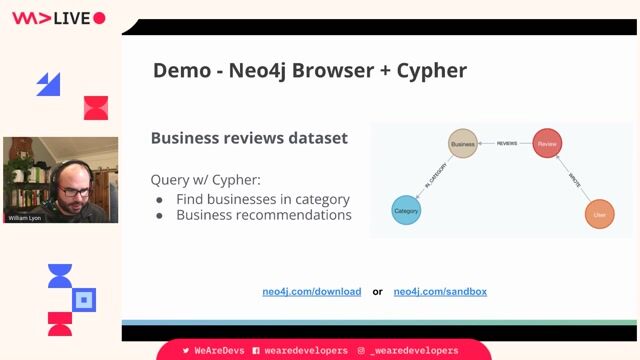
Comparing Neo4j and GraphQL conceptual models

William Lyon · LIVE

3:13 min

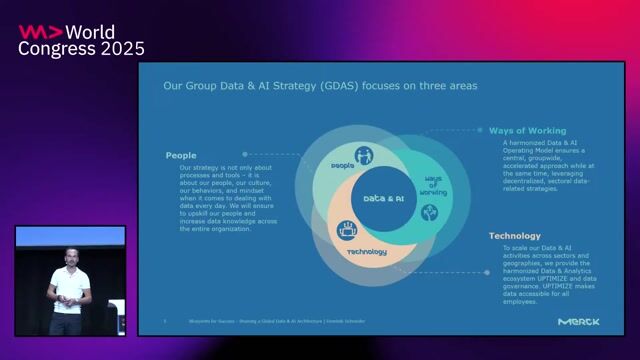
Core components of the internal Optimize ecosystem

Dominik Schneider Dominik Schneider · World Congress 2025

2:08 min

Essential engineering roles in the generative AI space

Mary Grygleski Mary Grygleski · LIVE

3:42 min

Comparing in-memory and Redis storage for cache scalability

Simone Sanfratello · World Congress 2022

3:30 min

Introduction to Neo4j and remote developer relations work

Videos

See all

Related articles

See all