
World Congress 2026 Europe - Virtual Stage Jul 2, 2026 Session details

Stop building features. Start building impact.

Aminata Sidibe

Generative AI is helping engineering teams build the wrong features faster. Escape the build trap with outcome-driven architecture and connect technical decisions directly to measurable user impact.

Pause
Mute Enter Fullscreen
#1 about 3 min

Introduction to outcome-driven architecture and value creation

Modern product development must prioritize user needs and measurable impact over raw output and feature delivery.

#2 about 3 min

Designing architectures around actual user behavior and needs

Observing how people navigate physical spaces reveals that true value emerges when systems adapt to real-world usage.

#3 about 2 min

Why technology modernization must enable better user experiences

Upgrading to microservices or new architectures only provides business value if it directly improves product outcomes.

#4 about 5 min

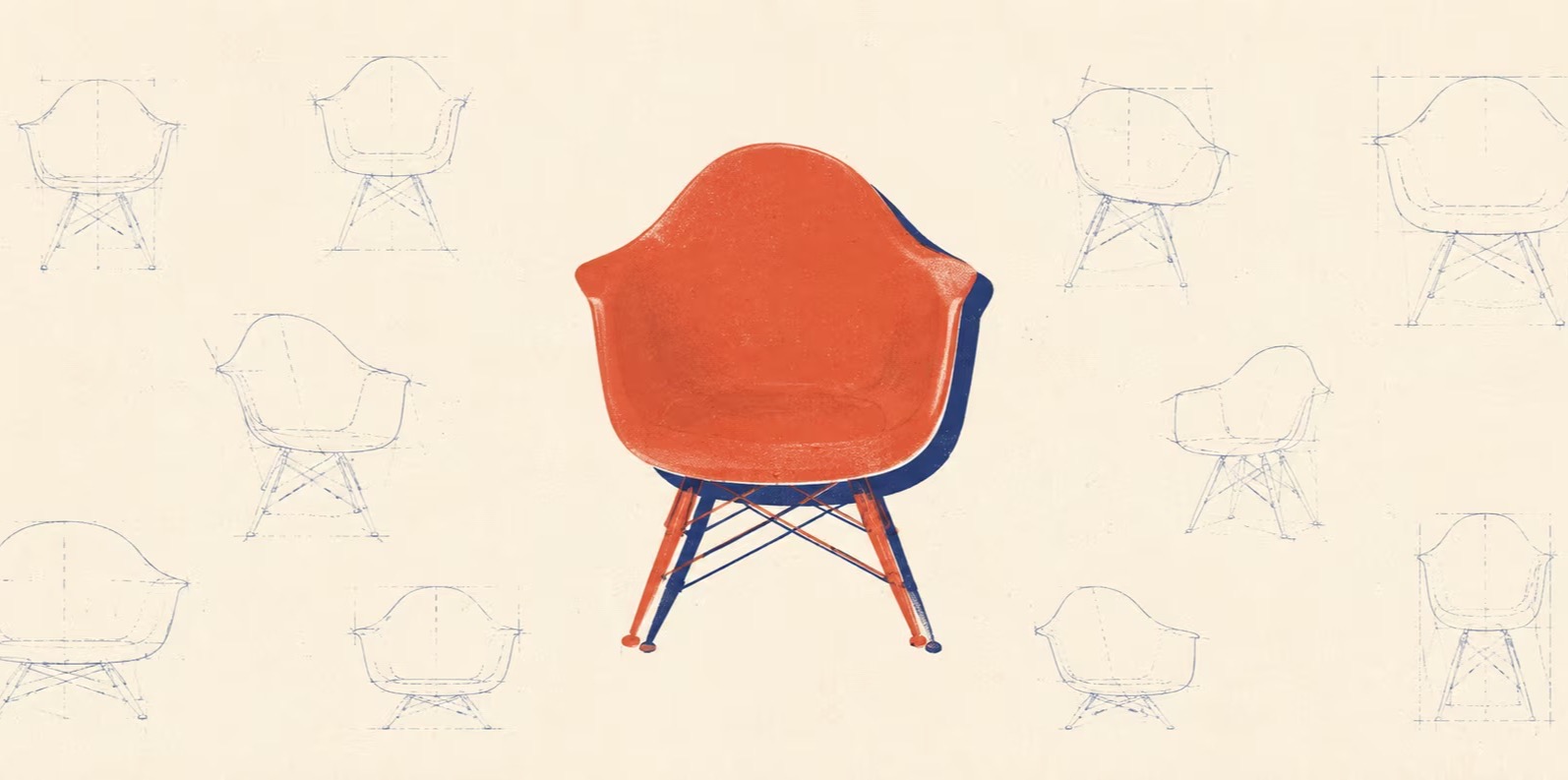
Recognizing the difference between built functionality and useful solutions

Evaluating poorly designed physical objects demonstrates how starting with solutions instead of contexts creates complexity without value.

#5 about 4 min

Mapping common design failures to digital software development

Ignoring user problems in favor of glossy interfaces leads to digital products that fail to facilitate business value exchange.

#6 about 5 min

Escaping the build trap and avoiding feature bloat

Measuring success through ticket counts and feature volume obscures the fact that unused functionality only adds maintenance overhead.

#7 about 3 min

How artificial intelligence accelerates the dangerous feature factory

Generative tools lower implementation costs and allow teams to build the wrong solutions faster unless guided by outcome orientation.

#8 about 5 min

Starting architectural design with desired outcomes instead of features

Defining measurable changes in user behavior prevents premature technical investments and identifies simpler solutions like better navigation.

#9 about 4 min

Connecting technical observability with product and business performance

Tracking technical metrics must be paired with user interaction data to verify that a system generates relevant impact.

#10 about 3 min

Designing system architectures to support rapid product experimentation

Enabling prototyping, feature toggles, and safe rollbacks allows teams to validate product assumptions without permanent technical commitments.

#11 about 3 min

Optimizing software architecture for reversibility and risk management

Separating stable core domains from flexible user interfaces protects teams from hard-coding uncertain product hypotheses too early.

#12 about 2 min

Connecting architectural decisions directly to tested product assumptions

Documenting why specific technologies were chosen requires linking them to the user needs and business metrics they support.

#13 about 3 min

Treating product analytics as critical feedback infrastructure capabilities

Providing product teams with access to connected user and business data transforms passive reporting into actionable learning mechanisms.

#14 about 4 min

Making outcome-driven architecture a collaborative cross-functional responsibility

Integrating architectural planning into the continuous product discovery process ensures technical capabilities align with strategic business hypotheses.

#15 about 4 min

Shifting organizational culture from software delivery to learning

Measuring product impact rather than system health metrics transforms architecture into a powerful lever for human-centric value creation.

Matching moments

2:25 min

Building engineering cultures that support long-term software architecture

Oskar Kruschitz Oskar Kruschitz · Europe 2026 Virtual

3:34 min

Applying design thinking and lean software development principles

Tom George · LIVE

2:24 min

Using failed adoption to drive necessary architectural improvements

Sonja Nesic Sonja Nesic · WWC Europe 2026

3:23 min

Developer transition to architecture and finops automation

Mustafa Toroman · WWC 2023

3:35 min

Choosing human led transformational priorities over pure tech

Rudi Bauer Rudi Bauer +1 · Cappuccino with HR

3:08 min

The gap between technical success and user adoption

Mateusz Gren Mateusz Gren +1 · WWC Europe 2026

Upcoming sessions on this topic

Open session

World Congress 2026 North America

Beyond the Code: Human-AI Synergies in Product Development

Ajita Kanchivakam Ananth

Staff Technical Program Manager at Google

Ajita Kanchivakam Ananth
Open session

World Congress 2026 North America

The Broken Rung: How AI is Rebuilding Software Development from the Ground Up

Tomislav Tipurić

Chief Technology Officer, Nephos

Tomislav Tipurić
Open session

World Congress 2026 North America

Building Pragmatic AI: 10 AI Features Your Users Actually Want

Jonathan "J." Tower

.NET Foundation Board | 12x Microsoft MVP | Founder & Consultant

Jonathan "J." Tower
Open session

World Congress 2026 North America

Engineering the Pivot: How Creative Strategy Solves the Hard Problems of AI Accuracy and Scale

Shruti Tiwari

AI/ML product manager, Dell

Shruti Tiwari
Open session

World Congress 2026 North America

Culture Doesn't Scale Itself: Leading Engineering Teams Through Hypergrowth and the AI Transition

Thanos Baskous

VP of Engineering and Co-founder of Cogent Security

Thanos Baskous
Open session

World Congress 2026 North America

Agentic Drift: keeping pace with your agents

John Coghlan

Senior Director, Developer Advocacy at GitLab

John Coghlan