Sven Reinck

Beyond UML: Making Sense of AI-Generated Code through Visual Architecture

How do you review AI-generated code when it changes dozens of files at once? This tool visualizes the architectural diff so you can trust the bigger picture.

Beyond UML: Making Sense of AI-Generated Code through Visual Architecture
#1about 5 minutes

A disassembler for understanding AI-generated code

Reviewing large-scale AI code changes is difficult, but a visual tool acting like a modern disassembler can help build trust and verify structural integrity.

#2about 5 minutes

Using a visual plugin to quickly review structural changes

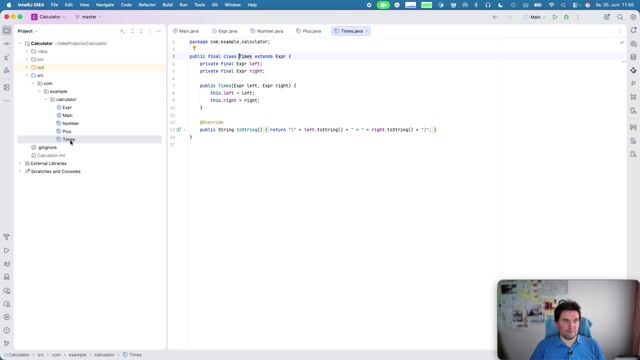
An IntelliJ plugin provides a visual graph of code structure, allowing developers to quickly verify changes like a new Visitor pattern implementation.

#3about 6 minutes

Mapping and refactoring a legacy codebase architecture

Visualizing a complex legacy project reveals its "spider web" architecture, helping to identify and plan refactoring steps like moving classes between packages.

#4about 4 minutes

Eliminating unwanted dependencies with factory methods

By identifying unwanted outgoing dependencies from an exception package, AI can be prompted to create factory methods that decouple it from domain logic.

#5about 7 minutes

Spotting incomplete AI refactoring with structural analysis

A visual tool helps detect when an AI fails to complete a refactoring, such as leaving an old method as a wrapper instead of removing it.

Related jobs
Jobs that call for the skills explored in this talk.

Featured Partners

Related Articles

View all articles

From learning to earning

Jobs that call for the skills explored in this talk.