
AF
Algorand Foundation
World Congress 2021
•
Jun 28, 2021
The Developer Handbook: How to Build on the Blockchain
Matt Hamilton
- Discuss this with your agent
- Open in Claude
- Open in ChatGPT
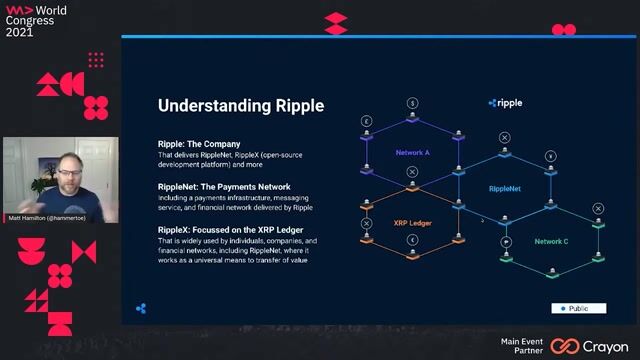
Value transfers should be as seamless as streaming digital data. Learn to integrate decentralized, lightning-fast micro-transactions directly into your Python apps using the XRP Ledger.
Matching moments
3:57 min
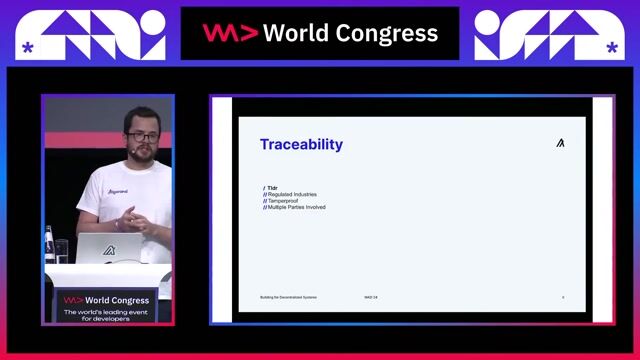
Real-world enterprise and startup blockchain adoption
 Brian Whippo · Coffee With Developers
2:39 min
Exploring decentralized web applications beyond basic cryptocurrency transactions
 Ed Marquez · World Congress 2023
2:12 min
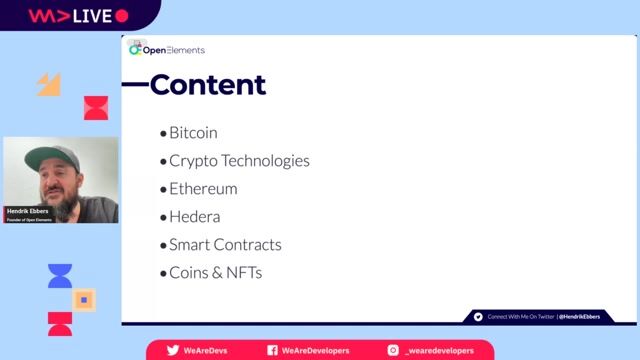
Introduction to blockchain, NFTs, and smart contracts
 Hendrik Ebbers · LIVE
1:50 min
Improving fintech operations and cross-border settlement speeds
 Alessandro Cappellato Ferrari · World Congress 2024
4:08 min
Introduction to interoperable apps on Bitcoin
Aaron Russell · LIVE
3:23 min
Reducing transaction fees and understanding stablecoins
Brian Whippo · Coffee With Developers
More from World Congress 2021
Related videos
Related articles

AF
Algorand Foundation

JB
Julia Beyers


From learning to earning
Jobs that call for the skills explored in this talk.
20 days ago
Software Engineer, Python (Asset Pricing & Hedging)

Bitpanda
Laza, Spain
Remote
NoSQL
Backend
Fastapi
about 2 months ago
Senior Backend Engineer, Blockchain (Smart Contracts)
Bitpanda
Laza, Spain
Web3.js
Backend
Datadog
about 2 months ago
Backend Engineer, Python (Web3)
Bitpanda
Laza, Spain
Backend
Web3.js
Ethereum
about 2 months ago
Senior Fullstack Engineer, Angular & Nestjs (Defi Wallet)
Bitpanda
Laza, Spain
Remote
RxJS
Redis
NestJS
24 days ago
Digital Assets Crypto/BlockChain Senior Associate

PwC
Kansas City, MO, United States
Expert
$77k–202k
Blockchain
Tokenization
Digital Assets
about 1 month ago
•
Verified
Software Engineer, Fullstack

Sciforium
San Francisco, United States
Expert
$165k–210k
Python