PhD Studentship: Machine Learning-Accelerated NMR Platform for Viral RNA Polymerase Inhibitor Discovery
Role details
Job location
Tech stack
Job description
Supervisors:
Prof. Finn Werner - Werner Lab Website
Dr. Christopher Waudby - Waudby Lab Website
Abstract:
RNA polymerases (RNAPs) are essential enzymes for viral replication and represent promising targets for antiviral drug development. While the COVID-19 pandemic highlighted the threat of RNA viruses, large DNA viruses such as African Swine Fever Virus (ASFV) remain underexplored despite their pandemic potential and classification as bioweapons. This project aims to develop a machine learning-accelerated NMR platform for the discovery of high-affinity inhibitors targeting viral RNAPs. Building on recent advances in recombinant RNAP production, cryo-EM structural elucidation, and fragment-based screening, the project will integrate fluorine-based NMR spectroscopy with active learning algorithms and robotic automation to identify and optimise lead compounds. This approach will serve as a test case for a generalisable platform for rapid, structure-guided antiviral discovery.
Approach and Methods:
- Produce recombinant viral RNAP transcription complexes in insect cells
- Functionally characterise RNAP activity and validate assay systems
- Screen fragment libraries using fluorine-based NMR spectroscopy
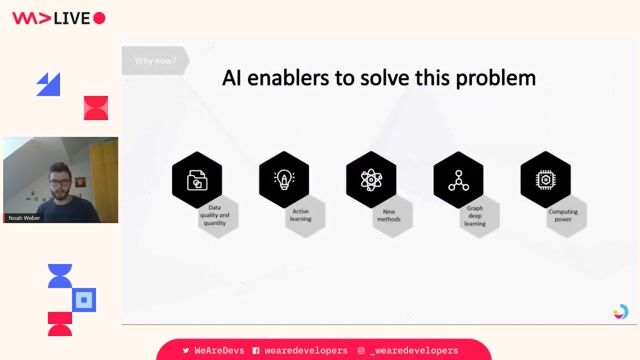
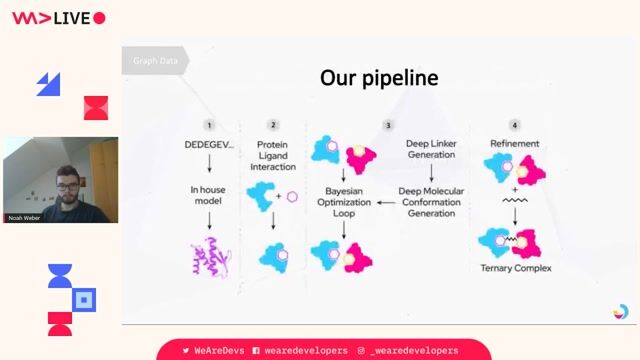
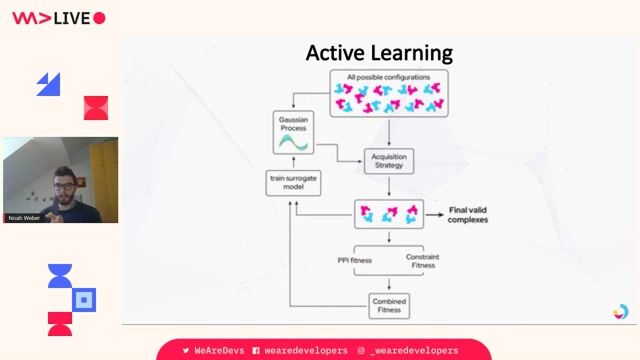
- Develop an active learning-driven platform for compound selection and optimisation
- Integrate robotic sample preparation, automated data acquisition, and computational analysis
- Advance five existing candidate compounds toward lead optimisation and patent readiness
Impact and Outlook:
This project addresses the urgent need for novel antiviral therapies by targeting viral RNAPs, a class of enzymes with limited existing inhibitors. The platform developed will enable rapid, data-driven identification of potent and selective inhibitors, with potential applications across a broad range of viral pathogens. The work will contribute to pandemic preparedness and the development of next-generation antiviral strategies.
Training and Student Development:
The student will gain multidisciplinary training in:
- Structural biology, including cryo-EM
- Biochemical assay development
- Medicinal chemistry and lead optimisation
- NMR spectroscopy and fragment-based drug discovery
- Machine learning and active learning for compound screening
- Laboratory automation and high-throughput experimentation
The project offers a collaborative and supportive training environment, with opportunities to attend national and international courses and conferences.
Research Environment:
The Werner and Waudby labs at UCL provide complementary expertise in viral molecular biology, structural biology, and NMR spectroscopy. The student will work within a highly collaborative setting, benefiting from access to the UCL Automation Network and cutting-edge facilities for structural and biophysical analysis. The project is well-positioned to deliver both fundamental insights and translational outcomes in antiviral drug discovery.
Desirable Prior Experience:
- Background in biochemistry, structural biology, medicinal chemistry, or related disciplines
- Experience with NMR, protein expression, or computational methods is advantageous
- Interest in antiviral drug discovery and interdisciplinary research
How to apply
This project is offered as part of the Centre for Doctoral Training in Engineering Solutions for Antimicrobial Resistance. Further details about the CDT and programme can be found at AMR CDT webiste
Applications should be submitted by 12^th January 2026.
Stipend at UKRI rate
Requirements
- Background in biochemistry, structural biology, medicinal chemistry, or related disciplines
- Experience with NMR, protein expression, or computational methods is advantageous
- Interest in antiviral drug discovery and interdisciplinary research