


DC
Daniel Cranney
The Retrieval Layer for Edge AI
- Discuss this with your agent
- Open in Claude
- Open in ChatGPT
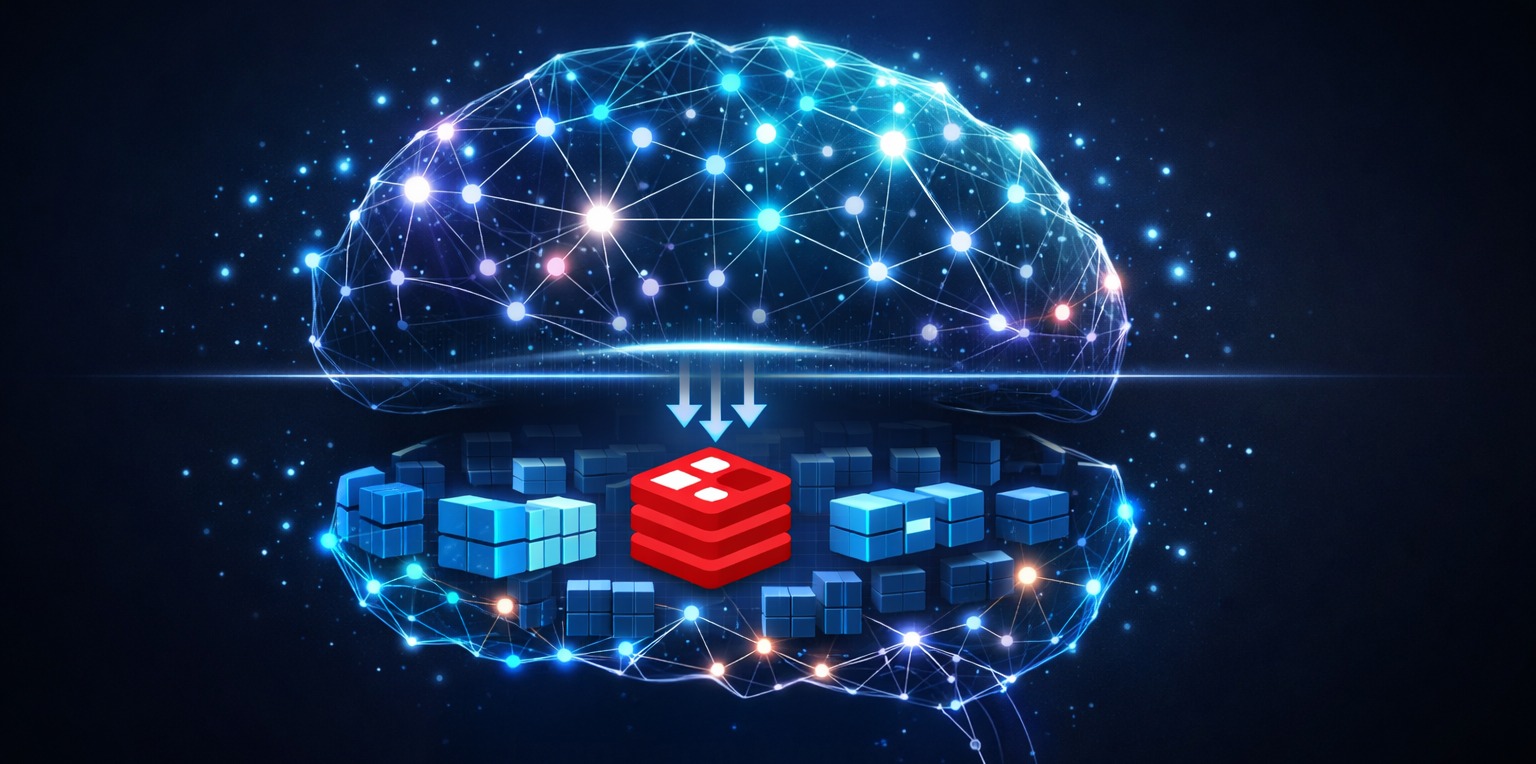
Are your local AI agents acting like amnesic observers? Give edge devices persistent, offline memory with Qdrant Edge. Build personalized, latency-free vector search directly on physical endpoints.
Matching moments
2:26 min
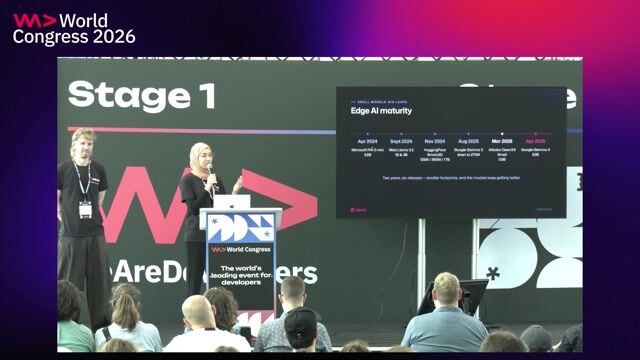
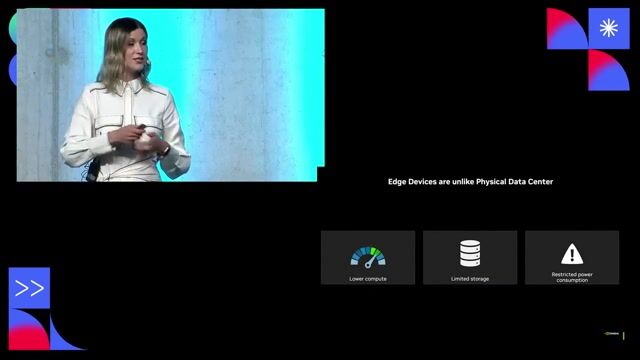
Key drivers and definitions for physical edge artificial intelligence
 Moe Sani · World Congress 2026 Europe
3:21 min
Reducing cloud dependency with on-device edge AI models
 Precious Osaro · World Congress 2026 Europe
3:19 min
Technological shifts enabling practical edge AI deployment
 Sasha Denisov · World Congress 2026 Europe
6:37 min
Defining edge AI and its widespread industry applications
Ekaterina Sirazitdinova · World Congress 2023
1:50 min
Overview of the Edge AI ecosystem and tech stack
 Maxim Salnikov · World Congress 2025
4:29 min
Distributing multimodal intelligence via edge computing architectures
 Clemens Wasner +3 · World Congress 2026 Europe
More from World Congress 2026 Europe
Related videos
Related articles
MH
Michael Hunger
N
Neo4j

AB
Andrew Brookins
RD
Raphael De Lio
CH
Chris Heilmann

From learning to earning
Jobs that call for the skills explored in this talk.
22 days ago
Principal Software Engineer, AI Inference Runtime

ARM
Seattle, WA, United States
Expert
$262k
Compilers
Low Latency
Concurrency
22 days ago
Staff Software Engineer, AI Inference Runtime
ARM
Seattle, WA, United States
Expert
$209k–282k
Compilers
Low Latency
Concurrency
22 days ago
Principal Software Engineer, AI Inference Cloud
ARM
Seattle, WA, United States
Expert
$262k
Pytorch
TensorRT
Kubernetes
22 days ago
Staff Software Engineer, AI Inference Cloud
ARM
Seattle, WA, United States
Expert
$209k–282k
Pytorch
TensorRT
Kubernetes
1 day ago
Engineering Manager, Google Cloud AI/ML

PwC
Detroit, MI, United States
Expert
$99k–232k
LangChain
Google Cloud
Generative AI
1 day ago
Engineering Manager, Google Cloud AI/ML
PwC
Phoenix, AZ, United States
Expert
$99k–232k
LangChain
Google Cloud
Generative AI