


World Congress 2026 Europe Jul 10, 2026 Session details

Blameless Postmortems That Change Nothing: Cultural Anti-Patterns in Incident Learning

Daniel Schley

Why do blameless postmortems rarely fix the underlying system? Discover the cultural anti-patterns secretly stalling your incident response. Stop writing compliance docs and start building resilient infrastructure.

Pause
Mute Enter Fullscreen
#1 about 6 min

The hidden reality of unresolved engineering incidents

Superficial fixes and poor incident documentation after outages prevent meaningful organizational learning.

#2 about 3 min

Foundational components for effective organizational learning

Key cultural prerequisites like psychological safety and systems thinking enable meaningful postmortem outcomes.

#3 about 4 min

Overcoming superficial fixes in legacy pipeline components

Analyzing a cascading failure in legacy data pipelines reveals the danger of merely restoring services without structural improvements.

#4 about 4 min

Reframing unexpected anomalies beyond simple network blocking

A security scanner crashing an application demonstrates the value of invalidating structural assumptions rather than applying trivial network blocks.

#5 about 3 min

Moving past communication demands to structural engineering changes

Addressing a monolithic notification bug highlights why introducing automated dependencies is better than telling teams to communicate more.

#6 about 3 min

Evaluating postmortem success through continuous framework principles

Revisiting case studies through a learning framework demonstrates why systemic change requires conscious effort and strategic trade-offs.

#7 about 2 min

Diagnostic questions to expose stalled incident learning

Essential postmortem questions help teams ensure improvements reduce their underlying dependency on human perfection.

#8 about 2 min

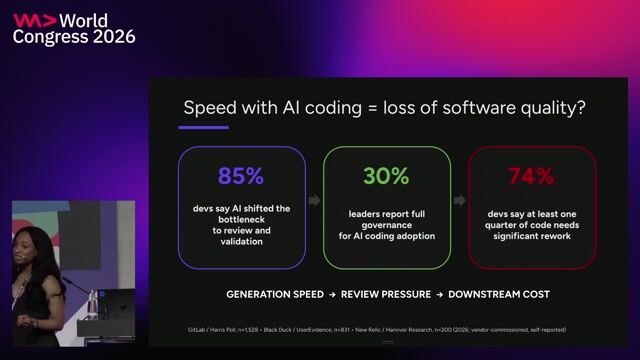
How artificial intelligence integration amplifies existing cultural flaws

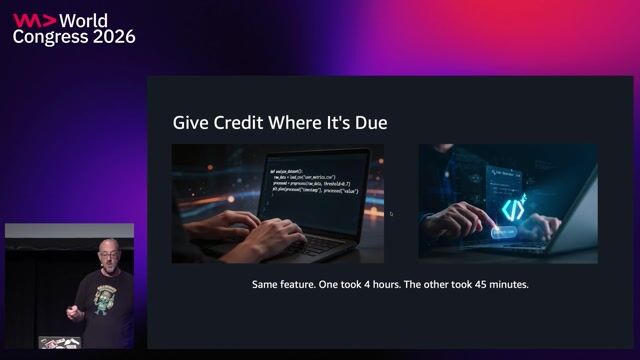
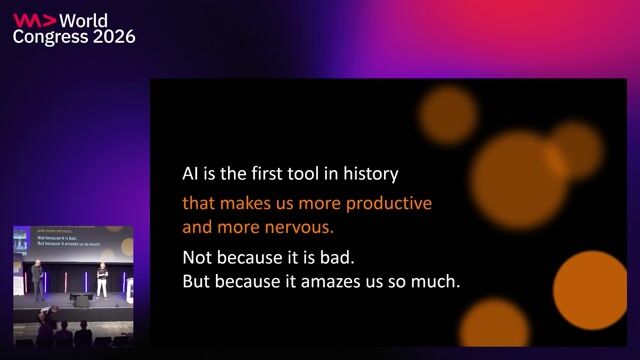
Accelerated code generation through artificial intelligence magnifies the negative impact of weak incident learning cultures.

#9 about 5 min

Moving beyond blamelessness to demand actual systemic change

Cultural blamelessness remains insufficient unless it successfully drives actionable systems-level engineering changes.

Matching moments

1:58 min

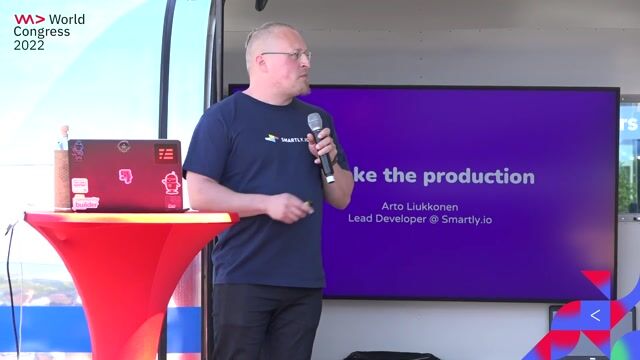
Implementing blameless postmortems to strengthen system resilience

Arto Liukkonen · WWC 2022

3:34 min

Writing blameless and detailed incident postmortems

Martin Beránek · LIVE

2:08 min

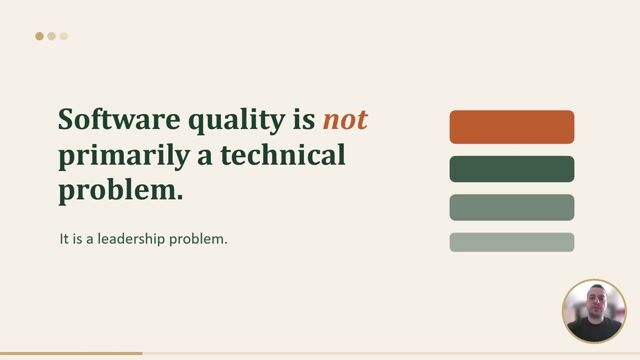
Navigating and mitigating the impacts of broken engineering cultures

Oskar Kruschitz Oskar Kruschitz · Europe 2026 Virtual

2:29 min

Promoting a culturally safe environment for technical innovation

Eleanor Rumsey · LIVE

1:54 min

Embracing failures and analyzing high-profile software engineering mistakes

Christian Seifert · WWC 2022

2:28 min

Addressing blame culture and organizational trust in software teams

Luise Freese Luise Freese · WWC 2025

Upcoming sessions on this topic

Open session

World Congress 2026 North America

The Geometry of Incidents: What User-Impact Shapes Reveal About Platform Architecture

Bala Subrahmanyam Kambala

Staff Platform Engineer at Oracle Cloud Infrastructure

Bala Subrahmanyam Kambala
Open session

World Congress 2026 North America

Culture Doesn't Scale Itself: Leading Engineering Teams Through Hypergrowth and the AI Transition

Thanos Baskous

VP of Engineering and Co-founder of Cogent Security

Thanos Baskous
Open session

World Congress 2026 North America

Reinventing Testing Practices in the AI Era

Eric Deandrea

Java Champion & Senior Principal Software Engineer, IBM

Eric Deandrea
Open session

World Congress 2026 North America

When Humans Stop Writing Code: Rethinking Languages, Compilers, and Responsibility

Simon Auer

Organizer of flutter vienna meetup and CEO of marqably

Simon Auer
Open session

World Congress 2026 North America

Designing APIs That Survive AI Agents at Scale

Phani Pendurthi

Mastercard, Principal Software Engineer

Phani Pendurthi
Open session

World Congress 2026 North America

The Broken Rung: How AI is Rebuilding Software Development from the Ground Up

Tomislav Tipurić

Chief Technology Officer, Nephos

Tomislav Tipurić