

World Congress 2026 Europe - Virtual Stage Jul 3, 2026 Session details

Azure-Well Architected Framework - Cost Optimization in practice

Paweł Siwek

A forgotten logical bug can result in a $61,000 cloud bill for abandoned resources. Learn how to strictly enforce cost optimization using the Azure Well-Architected Framework.

Pause
Mute Enter Fullscreen
#1 about 8 min

The real-world consequences of ignored cloud budgets

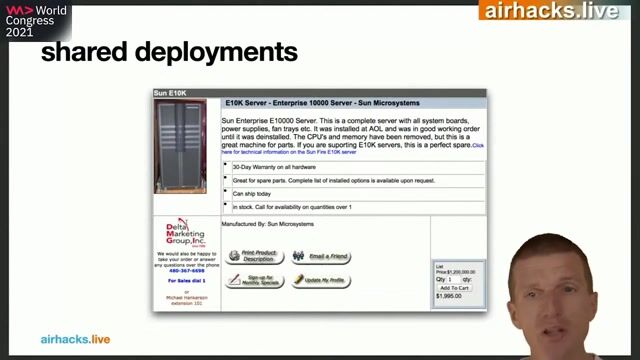
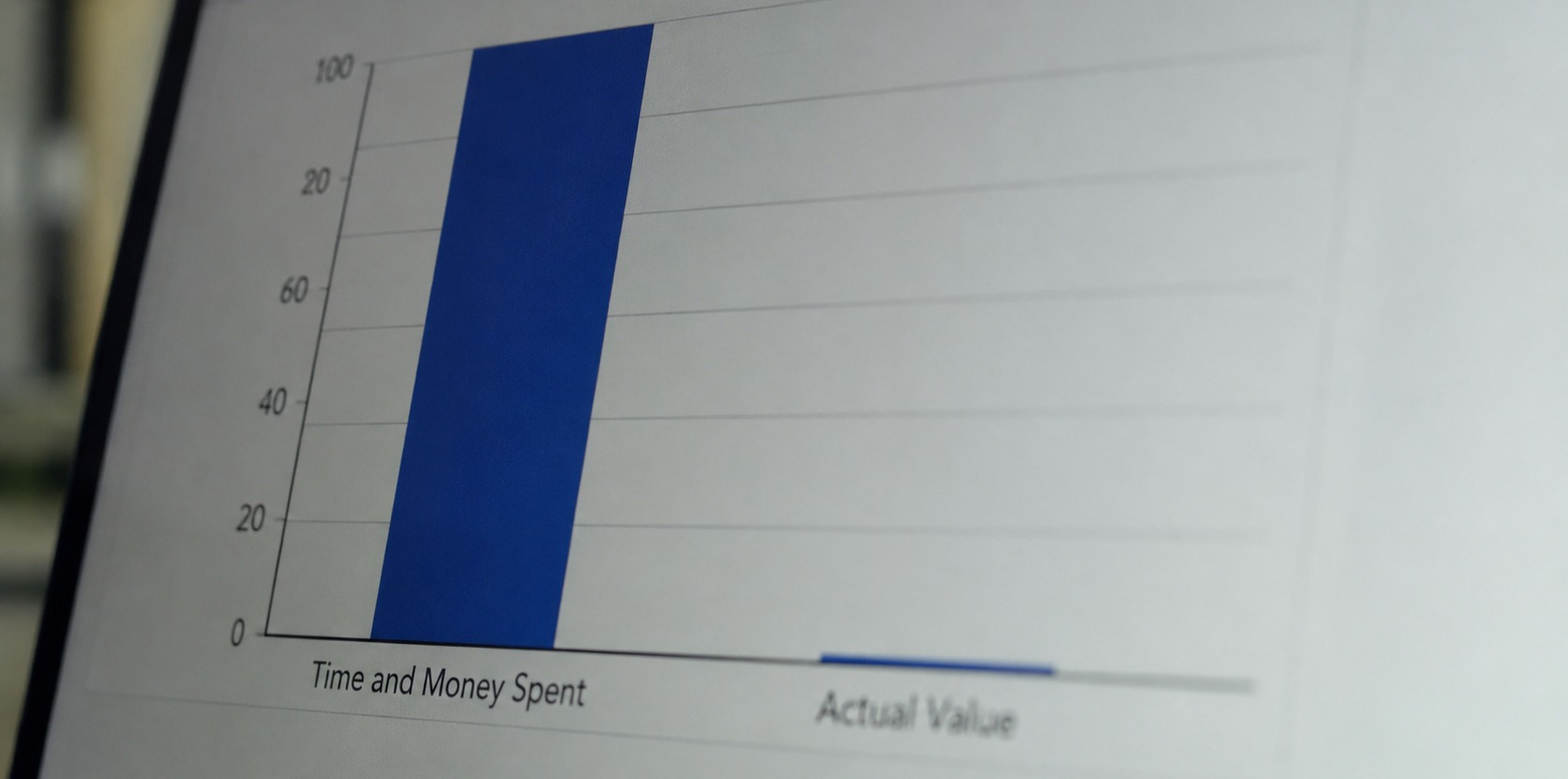
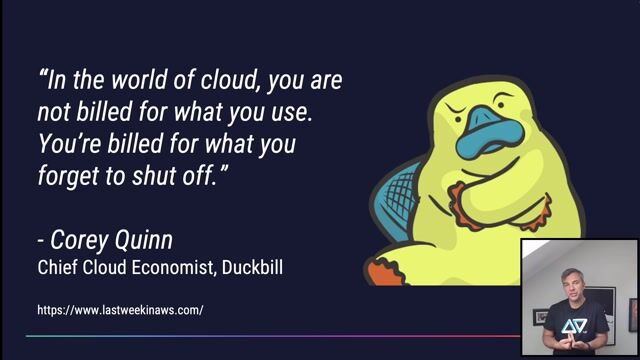
Real-world examples demonstrate how forgotten cloud resources cause massive budget overruns.

#2 about 10 min

Azure well-architected framework cost optimization disciplines

Foundational practices for designing, budgeting, and scaling resources maximize operational efficiency.

#3 about 7 min

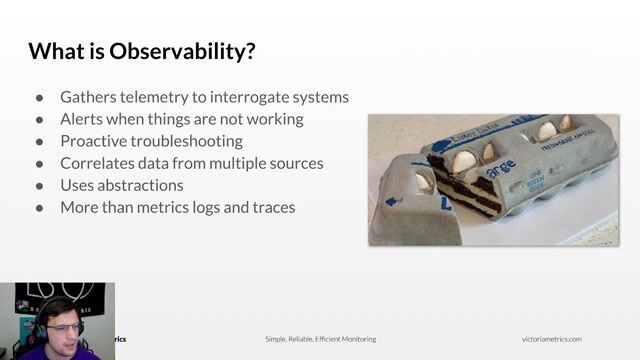
Architecting multi-tenant observability data ingestion pipelines

The architectural challenges of ingesting massive telemetry data require highly scalable worker clusters.

#4 about 2 min

Implementing the queue-based load leveling pattern

Decoupling task scheduling from processing prevents worker over-provisioning and systemic performance bottlenecks.

#5 about 2 min

Applying competing consumers to handle traffic spikes

Distributing heavy workloads across multiple dynamic workers natively handles unpredicted processing spikes.

#6 about 3 min

Evaluating the claim check pattern for heavy payloads

Routing lightweight message references to cheap storage significantly reduces expensive messaging bus costs.

#7 about 2 min

Automating cloud resource tagging for billing traceability

Enforcing mandatory classification tags via metadata automation ensures accurate application billing accountability.

#8 about 5 min

Enforcing concurrent execution limits with cloud policy

Deploying strict platform-wide governance rules prevents massive infrastructure bills caused by recursive execution loops.

#9 about 5 min

Upgrading virtual machine generations for hardware efficiency

Migrating to modern hardware architectures maximizes application compute performance while drastically halving operational billing rates.

#10 about 3 min

Leveraging regional instance pricing and resource reservations

Securing significant compute capacity discounts requires strategic geographic placement and multi-year commitment planning.

#11 about 3 min

Tuning diagnostic settings to prevent analytics logging bloat

Eliminating redundant container metric categories and capping daily ingestion tightly controls skyrocketing analytics expenses.

#12 about 5 min

Selecting optimal service tiers for varying payload profiles

Selecting serverless compute models for sporadic system tasks sharply limits wasteful baseline resource capabilities.

#13 about 5 min

Troubleshooting blockages in Kubernetes cluster scale-down routines

Unidentified persistent local storage volumes easily prevent cluster autoscalers from safely terminating idle machine nodes.

#14 about 2 min

Deploying intelligent cluster node auto-provisioning software

Dynamically matching container pod requirements to optimal spot instance sizes naturally maximizes overall hardware utilization.

#15 about 1 min

Automating analytical telemetry and database storage life cycles

Moving infrequently accessed datasets to increasingly colder archiving tiers automatically preserves baseline storage capital.

#16 about 3 min

Bypassing outbound translation costs with private networking

Configuring virtual private network endpoints immediately eliminates the heavy traffic translation fees of traditional cloud gateways.

#17 about 5 min

Establishing an ongoing cost and architecture review culture

Iterative architecture evaluations and realistic service capacity measurements continually guarantee robust enterprise finops oversight.

Matching moments

3:29 min

Optimizing software architectures to minimize infrastructure resource drain

Hendrik Lösch Hendrik Lösch · World Congress 2024

2:10 min

Applying the Frugal Architect mental model

Joachim Aumann Joachim Aumann +1 · World Congress 2025

43 sec

Identifying and removing unused resources in Azure

Michaël Hompus Michaël Hompus · World Congress 2025

1:10 min

Optimizing Kubernetes clusters for resource and cost efficiency

Christian Grieger Christian Grieger · Europe 2026 Virtual

1:06 min

Applying FinOps practices to trace cloud infrastructure costs

Holly Cummins · LIVE

3:27 min

Leveraging Azure Advisor and Copilot for cost recommendations

Michaël Hompus Michaël Hompus · World Congress 2025

Upcoming sessions on this topic

Open session

World Congress 2026 North America

September 25, 2026 · 16:00–16:10

Outdoor Stage

public void saveMoney(AI): The Developer's Guide to Unit Economics

Hrushikesh Pokala

Senior Software Engineer Lead at Equifax

Hrushikesh Pokala
Open session

World Congress 2026 North America

September 24, 2026 · 15:30–16:00

Stage 4

Why Infrastructure Forecasting Fails – Building a Self-Serve Forecasting Platform

Ankur Gupta

LinkedIn, Senior Staff Technical Program Manager

Ankur Gupta
Open session

World Congress 2026 North America

September 24, 2026 · 17:30–18:00

Stage 4

Boring Failover: Predictable Region Recovery Across 5,000 Microservices

Garvit Kataria, Sahil Sabharwal

Garvit Kataria
Sahil Sabharwal
Open session

World Congress 2026 North America

September 25, 2026 · 09:00–09:30

Stage 2

Autonomous Infrastructure: Building AI Agents for Global-Scale Capacity Efficiency

Tommy Tran

Software Engineer at Meta

Tommy Tran
Open session

World Congress 2026 North America

September 25, 2026 · 16:50–17:20

Stage 4

Engineering Moneyball: How We Benchmarked Google vs Meta

Jirka Bachel

Co-Founder & CEO

Jirka Bachel
Open session

World Congress 2026 North America

September 24, 2026 · 11:00–11:30

Stage 1

Application-Defined Compute: Rethinking Infrastructure for AI Applications

Anurag Goel

Founder and CEO of Render

Anurag Goel