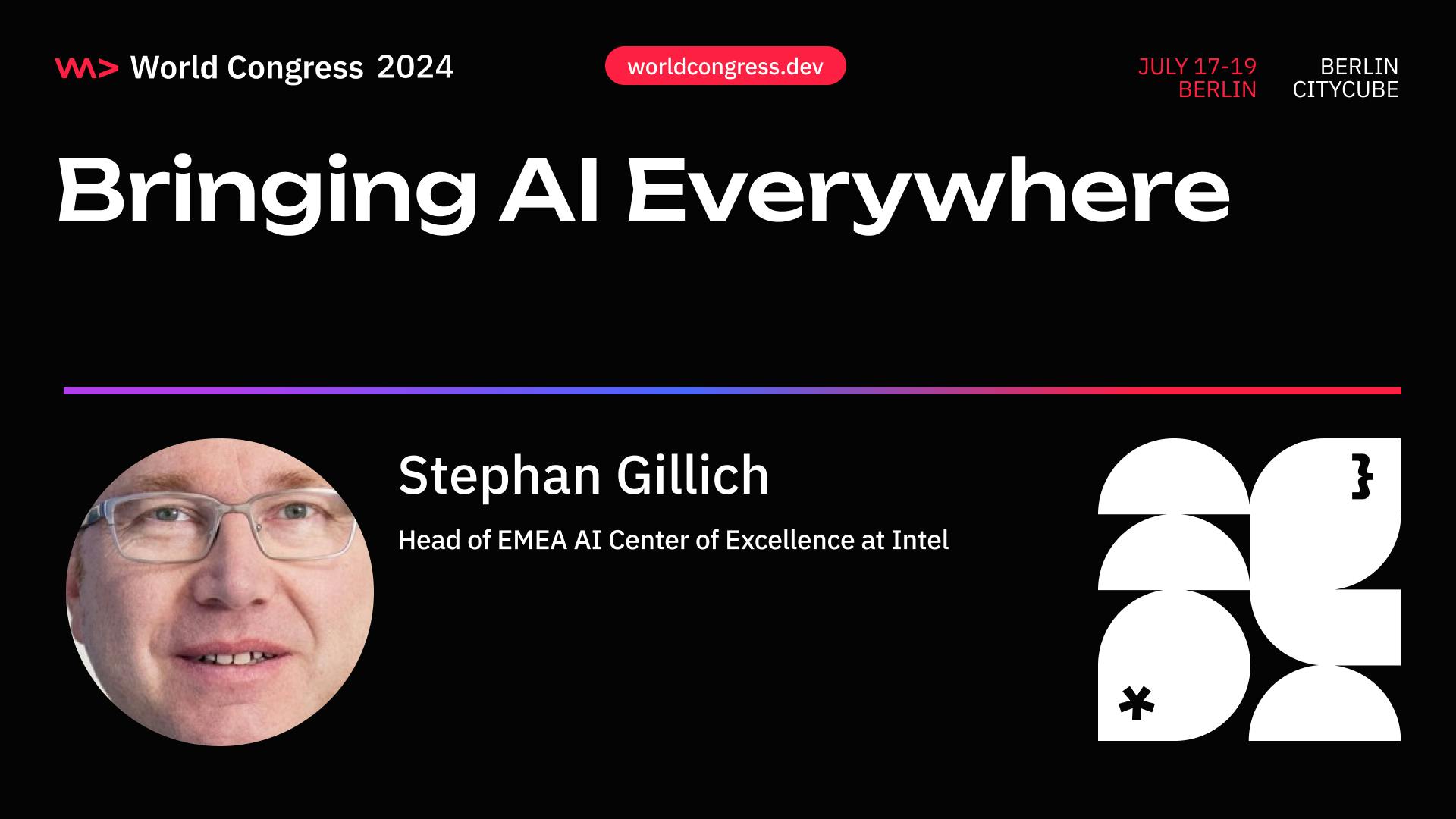

World Congress 2022 Jun 15, 2022

A Data Mesh needs Open Metadata

Ferd Scheepers

Decentralized data meshes fail without standardized interoperability. Discover how the open-source metadata standard Egeria automates end-to-end governance and eliminates integration bottlenecks across multi-cloud environments.

Pause
Mute Enter Fullscreen
#1 about 2 min

Embracing open source engineering in a digital bank

Building internal engineering talent to actively contribute to open source software establishes technical leadership.

#2 about 3 min

Standardizing data consumption with a common language

Defining shared business terms through a canonical format simplifies data movement between producers and consumers.

#3 about 2 min

Challenges of manual data mapping and localization

Moving and transforming data across global private and public clouds remains a highly manual logistical hurdle.

#4 about 3 min

Applying flower auction logistics to data metadata

Using metadata as a physical label enables highly automated transportation and logistics for moving diverse items.

#5 about 3 min

Bundling data and metadata for seamless integration

Shipping technical descriptions directly alongside assets eliminates friction during platform exchanges.

#6 about 2 min

Introducing data mesh and localized autonomy

Breaking down centralized dependencies empowers local groups to construct autonomous data products while maintaining global governance.

#7 about 3 min

Navigating the lack of mature data mesh tooling

Implementing localized data autonomy currently requires massive engineering effort to wire together disparate vendor products.

#8 about 2 min

Building the open source fabric data mesh product

Collaborating across organizations to build automated policies and data movement guardrails accelerates data mesh adoption.

#9 about 2 min

Bridging the semantic gap with interoperable metadata

Connecting different platforms requires reliable APIs and formats that preserve context and data quality.

#10 about 3 min

Creating standard APIs via the Egeria open metadata project

Two layers of integration and consumption APIs allow disparate catalogs and repositories to sync structural definitions seamlessly.

#11 about 3 min

Applying the Egeria metadata mesh for federated catalogs

Connecting multiple vendor setups into a federated cohort enables single-pane visibility across independent data environments.

#12 about 4 min

Fostering open source contributions in corporate engineering teams

Allowing engineers to prioritize community-driven open source features over traditional internal business requests fosters innovation.

#13 about 2 min

Enabling cross-platform metadata search and discovery

Indexing business terms, assets, and streaming topics allows technical teams to instantly locate enterprise-wide definitions.

#14 about 2 min

Mapping end-to-end data lineage for regulatory compliance

Rendering reality-based flow graphs proves compliance to auditors without relying on outdated manual documentation.

#15 about 3 min

Advancing industry standards by open sourcing core capabilities

Sharing intellectual property publicly encourages vendor adoption and prevents proprietary lock-in for critical infrastructure.

#16 about 3 min

Shifting culture toward monetizing data as a product

Treating data pipelines as primary revenue drivers incentivizes upstream teams to claim ownership and ensure quality.

#17 about 2 min

Incentivizing domains to produce rich data descriptions

Applying regulatory mandates forces baseline documentation, but rewarding domains for dataset creation drives sustainable metadata quality.

#18 about 2 min

Comparing Egeria to alternative open metadata solutions

A richer core type system provides deeper technical integration capabilities compared to visually appealing but shallow alternatives.

Matching moments

1:50 min

The future of data engineering and AI mesh

Sandhya Menon Sandhya Menon · WWC Europe 2026

3:11 min

Decentralizing data bottlenecks with data mesh principles

Matthias Niehoff Matthias Niehoff · WWC 2024

2:25 min

Adopting a decentralized data mesh architecture model

Sandhya Menon Sandhya Menon · WWC Europe 2026

1:38 min

Understanding data mesh as an organizational design shift

Mario Meir-Huber · LIVE

2:50 min

Adopting data mesh ownership and aggregated data models

Kateřina Ščavnická Kateřina Ščavnická · WWC 2025

2:31 min

Fostering community innovation through transparent data interoperability and ownership

Darrel Idiagbor Darrel Idiagbor · WWC 2023

Upcoming sessions on this topic

Open session

World Congress 2026 North America

From Guesswork to Governance: Data Contracts Bring API Discipline to Apache Kafka

Sandon Jacobs

Senior Developer Advocate at IBM

Sandon Jacobs
Open session

World Congress 2026 North America

Making Science Larger, not just Faster

Yuval Dvir

Commercial Executive, SandboxAQ

Yuval Dvir
Open session

World Congress 2026 North America

Beyond SQL Generation: How to Teach Agents What Your Database Actually Means

Kris Jenkins

Lead Developer Advocate at Snowflake

Kris Jenkins
Open session

World Congress 2026 North America

AI Agents are Only as Smart as their Context: Building a Real-Time Context Engine at Intuit

Bharat Patel

Lead Software Engineer at Intuit

Bharat Patel
Open session

World Congress 2026 North America

Optimizing consumption and cost of AI APIs in the enterprise

Derric Gilling

Vice President and General Manager, API Platform

Derric Gilling
Open session

World Congress 2026 North America

Databases in the Agent Era

Monica Sarbu

Founder and CEO of xata.io

Monica Sarbu