





An Architect’s guide to reducing the carbon footprint of your applications
Treat sustainability as a non-functional requirement. This guide shows architects how to design for a smaller carbon footprint from day one.
#1about 2 minutes
Three characteristics of sustainable modern applications
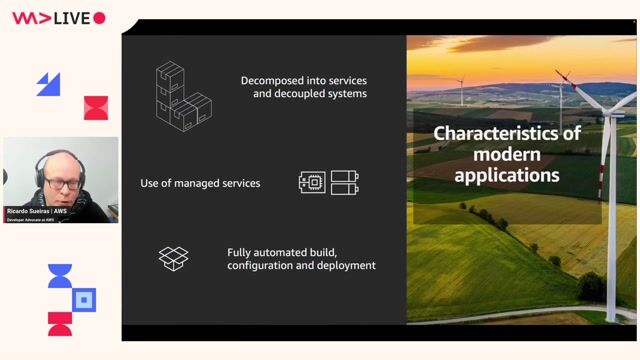
Modern applications can reduce their carbon footprint by being decomposed into smaller components, using managed services, and leveraging automation.
#2about 15 minutes
Architectural choices for reducing your carbon footprint
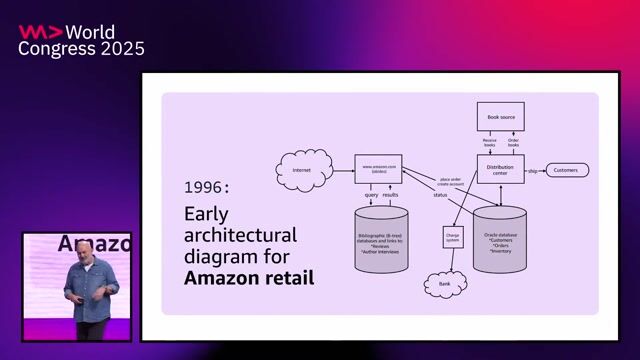
Decomposing monoliths, choosing efficient tools like ARM-based processors and graph databases, and selecting appropriate programming languages can significantly improve application efficiency.
#3about 9 minutes
Using managed cloud services for greater efficiency
Moving to the cloud and using managed services allows you to benefit from provider efficiencies, scale to zero with serverless, and make optimal choices for storage and compute.
#4about 4 minutes
Leveraging automation for right-sizing and waste reduction
Automation enables dynamic scaling to match workload demands, right-sizing of resources, and cleanup of unnecessary build artifacts to minimize waste.
#5about 4 minutes
How to measure and track sustainability metrics
Establishing the right proxy metrics for efficiency, such as resource usage per user, is crucial for tracking and reporting on your application's carbon footprint.
#6about 1 minute
Using the AWS shared responsibility and well-architected models
The AWS Shared Sustainability Model clarifies responsibilities, while the Well-Architected Sustainability Pillar provides best practices for building greener applications in the cloud.
#7about 6 minutes
Q&A: Career advice and getting started in open source
Contributing to open source projects you are passionate about, such as Apache Airflow, is a great way to build skills and get noticed in the tech industry.
#8about 6 minutes
Q&A: Gaining buy-in and modernizing legacy applications
Frame sustainability initiatives around CTO priorities like cost reduction and future-proofing, and use patterns like the Strangler Fig to modernize legacy systems incrementally.
#9about 9 minutes
Q&A: Sustainability pitfalls and the developer advocate role
Be aware of trade-offs like increased latency or reduced resilience when optimizing for sustainability, and understand how developer advocates act as a bridge between users and product teams.
Related jobs
Jobs that call for the skills explored in this talk.
Why Attend a Developer Event?Modern software engineering moves too fast for documentation alone. Attending a world-class event is about shifting from tactical execution to strategic leadership.
Skill Diversification: Break out of your specific tech stack to see how the industry...
Is Software Development Making the Climate Crisis Worse?The incredible rate at which technology is developing is clear for all to see. Each week here at WeAreDevelopers, we hear about exciting innovations in the realms of hardware, software, devices, infrastucture, and (of course) AI. Each one presents op...
Daniel Cranney
Developers are Building the Cities of the FutureSmart cities envision a future where urban landscapes are seamlessly connected by cutting-edge technology, transforming the way people travel, work, communicate and engage in commerce.
Developers and programmers find themselves in a novel position, d...
From learning to earning
Jobs that call for the skills explored in this talk.