As the Senior LLM / AI Model Routing Engineer, you will own the model layer from integration through production optimization. You will build the systems that determine which AI model should handle each request, evaluate model performance, and continuously improve the balance between quality, speed, reliability, and cost. This is a production engineering role, not a research-only position. The ideal candidate has experience taking LLM technology beyond prototypes and building reliable systems used by real users., LLM Integration & Model Management
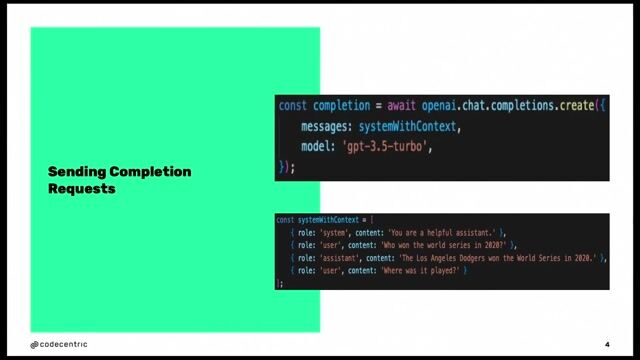
- Integrate open-source and third-party LLMs through APIs and inference providers.
- Maintain the product’s model lineup and evaluate new models as they become available.
- Compare models based on quality, reliability, speed, cost, and suitability for different use cases.
- Determine when models should be added, replaced, or retired.
- Implement reliable model and provider fallbacks.
Model Routing
- Design and maintain intelligent model routing logic.
- Route requests to the most appropriate model based on factors such as task type, quality, latency, cost, and model behavior.
- Continuously refine routing decisions using production data and user feedback.
- Explore advanced approaches such as model cascades, ensembles, and multi-model systems when appropriate.
Evaluation & Optimization
- Build practical systems for evaluating LLM output quality and routing decisions.
- Establish and monitor key performance metrics, including quality, latency, reliability, and cost per request.
- Analyze production data to identify opportunities for improvement.
- Optimize prompts, model parameters, configurations, and fallback strategies.
- Balance response quality with performance and operating costs.
Performance & Reliability
- Monitor model performance, latency, usage, and inference costs.
- Identify and resolve issues with models, providers, routing, and integrations.
- Improve response speed and reliability as usage grows.
- Implement appropriate logging, monitoring, error handling, and fallback mechanisms.
- Maintain clear documentation for the model architecture and operational processes.
Collaboration
- Work closely with the application engineering team to integrate the model layer into the product.
- Collaborate on the connection between the AI, application, and policy layers.
- Communicate technical concepts and trade-offs clearly to founders and non-ML stakeholders.
- Provide data-driven recommendations on model strategy and product performance., * Curious: You stay current with new models, providers, and AI techniques.
- Proactive: You identify problems and opportunities without waiting for instructions.
- Ownership-oriented: You take responsibility for the performance and reliability of your systems.
- Collaborative: You can work effectively with engineers, founders, and non-technical stakeholders.
What Success Looks Like
- Requests are consistently routed to the best model for the task.
- Users receive high-quality, accurate, and relevant responses.
- Latency remains fast and consistent as usage increases.
- Cost per request is continuously optimized.
- Model and provider failures are handled reliably.
- New models are evaluated and integrated quickly when they add value.
- Routing and model decisions are based on measurable production data.
- The model layer is reliable, well-documented, and continuously improving.
Why Join?
- Own a critical AI layer: Take end-to-end ownership of the engine behind the product.
- Work with leading LLMs: Continuously evaluate and work with new open-weight and provider models.
- Make a direct impact: Your decisions will directly influence product quality, performance, and cost.
- Work with a lean team: Collaborate closely with founders and have meaningful technical influence.
- Remote & global: Work from anywhere with a flexible schedule.
- Build for real users: Move beyond experimentation and build production AI systems.
- Growth opportunity: Expand your technical ownership as the product and team scale.


.png)
 Alfonso Sandoval Rosas · Europe 2026 Virtual
 Dennis Schulz +1 · World Congress 2026 Europe
 Mary Grygleski · LIVE
.png)
.gif)
.gif)

.gif)