Your CSS fails silently. Learn to build a resilient foundation that adapts to any browser, now and in the future.
#1about 4 minutes
The web's foundational principle of backward compatibility
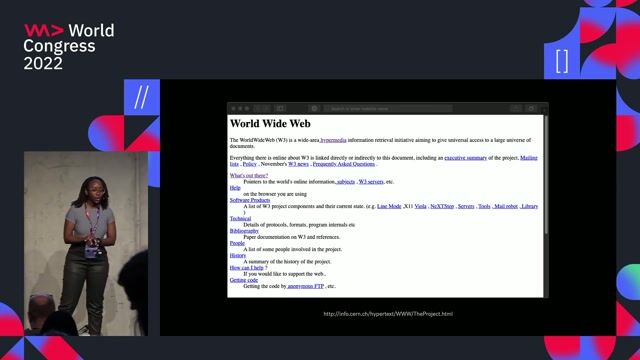
Web technologies are designed not to break older sites, ensuring longevity even for pages with deprecated or missing HTML elements.
#2about 4 minutes
Building for resilience with progressive enhancement
Progressive enhancement starts with a core experience for the least capable devices and adds features for modern browsers, unlike graceful degradation.
#3about 2 minutes
The unique challenges of progressive enhancement in CSS
Unlike JavaScript, CSS lacks robust built-in feature detection and error handling, which causes styles to fail silently without feedback.
#4about 5 minutes
Core techniques for writing robust and resilient CSS
Start with sensible HTML, leverage the cascade for fallbacks, use mobile-first media queries, and use older, well-supported properties when needed.
#5about 2 minutes
Using feature queries for progressive enhancement
Use positive @supports queries to apply modern CSS as an enhancement, ensuring a functional baseline for browsers that don't support feature queries.
#6about 6 minutes
Writing CSS for a global audience with internationalization
Adapt layouts for different languages and writing directions by using logical properties like `margin-inline-start` instead of physical ones like `margin-left`.
#7about 5 minutes
Using the right tool for the right job for accessibility
Improve accessibility by using HTML for content, CSS for styling, and JavaScript for functionality, avoiding hacks like using CSS pseudo-elements for labels.
#8about 3 minutes
Preserving accessibility when customizing default styles
When restyling default elements like buttons, ensure you provide accessible alternatives for focus states and adapt to user preferences like reduced motion.
#9about 6 minutes
Proactively auditing CSS for accessibility and compliance
Use browser developer tools like Firefox Accessibility Inspector and Lighthouse to audit for issues, but supplement them with real user testing for complete coverage.
Related jobs
Jobs that call for the skills explored in this talk.
Tweak CSS Properties Live with slideVarsEvery developer knows what it’s like to design - and then code - a quality UI. Hundreds of tweaks, indecision over details, and lots of refreshing to see the changes you’ve made can make it a painful process - even in age of vibe coding and UI librar...
Daniel Cranney
The Overflow: 5 CSS Generators and Visual Design ToolsIf you’ve read The Overflow before you’ll know it’s where we take some time you show you our favourite tools from around the web that we simply couldn’t fit into the always-packed Dev Digest.
This time, we’re looking at five tools for generating CSS ...
Daniel Cranney
CSS-Only Scroll-Driven AnimationsScroll-linked animations look slick, but until now it often meant writing a fair amount of JavaScript, scroll event listeners, getBoundingClientRect(), class toggling and so on, with UX benefits often offset by performance downsides.
CSS scroll-drive...
Chris Heilmann
Declarative Design and a fresh take on collaboration with developersGetting designers and developers on the same page can be tough for digital product teams. Things get especially tricky when the focus is just on fixing little things here and there instead of looking at the bigger picture together.
Translating design...
From learning to earning
Jobs that call for the skills explored in this talk.