Flexible Leadership: Balancing Goals, Motivation, and Growth
Are you a manager, or a leader your team would actually elect to follow?
#1about 1 minute
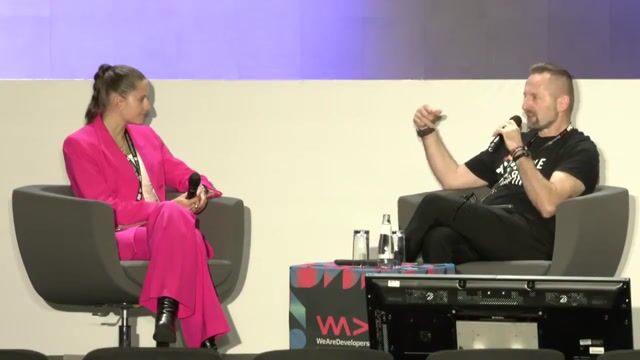
Defining what flexible leadership means in practice
Flexible leadership is the ability to adjust your leadership style based on individual personalities, team situations, and broader company goals.
#2about 3 minutes
Understanding the key differences between managers and leaders
Management provides a stable framework of tools and goals, while leadership focuses on flexibly navigating the path to achieve those goals with people.
#3about 2 minutes
Building trust by embracing curiosity and openness
To move from control to trust, leaders must first cultivate curiosity and openness to what their team can contribute.
#4about 3 minutes
Exploring if leaders are appointed or elected by teams
While teams often choose who they follow, effective leadership sometimes requires making unpopular decisions that are understood in hindsight.
#5about 3 minutes
Why self-reflection is critical for flexible leadership
Proactive self-reflection allows leaders to anticipate changes and adapt their style in advance, rather than reacting to problems as they arise.
#6about 3 minutes
Balancing individual team needs with overall company goals
Flexible leadership involves tailoring your approach to different team members' experience levels while staying aligned with strategic business objectives.
#7about 4 minutes
The three most essential traits of a flexible leader
The core capabilities for flexible leadership are emotional intelligence, a willingness to engage with conflict, and effective stakeholder management.
#8about 2 minutes
How to create true psychological safety at work
Psychological safety is built on a foundation of trust, where team members feel their leader is competent, reliable, and truthful.
#9about 2 minutes
Fostering mentorship for leadership and team development
In a psychologically safe environment, mentorship can happen organically in all directions as everyone can challenge and learn from each other.
#10about 3 minutes
How to amplify quiet and marginalized voices
Leaders can ensure all voices are heard by using different communication channels and preparing introverted team members for discussions in advance.
#11about 2 minutes
A practical first step toward flexible leadership
To start becoming more flexible, leaders should involve their team in creating multiple plans to navigate uncertainty and achieve goals.
Related jobs
Jobs that call for the skills explored in this talk.
How to Manage Workplace BlockersThere are 2 things even the most opinionated software engineers can agree on:Naming is hard.Being blocked sucksBut you need to deal with both of those—Every. Single. Day. Today, we’ll talk about #2, how to overcome it, and how not to be like the skel...
Eli McGarvie
Stop Wasting Time: How to Lead a Stand-Up Meeting & Get ResultsWe all know the feeling: your stand-up meeting starts… and the energy in the room slowly deflates. Eyes glaze over, minds wander. Maybe you can even see their attention drop on smartphones or laptops.Within minutes or even seconds, instead of a quick...
Chris Heilmann
WWC24 Talk - Brenda Romero - Stay: Surviving and Thriving in TechBrenda Romero discusses her tech career journey, overcoming burnout, and inspiring future game developers at WWC24.Here is what she had to say in the video:Hey everyone! Thanks for joining us!Reflections on a Rough YearLast year, I gave a talk about ...
Thomas Limbüchler
From developer to manager – what does it take to become an engineering manager?At some point, you have to decide, probably like any tech specialist, whether you want to continue pursuing a professional career or switch to a leadership role. Choosing between the two career options is very challenging. However, there are telltale...
From learning to earning
Jobs that call for the skills explored in this talk.




.webp?w=240&auto=compress,format)